Leave Your Message
0%

Okay, so a home circuit breaker is one of those small parts that doesn’t get much attention—but it’s a big deal. It sits inside your electrical panel and keeps an eye on the current going out to lights, outlets, appliances, and those dedicated circuits. If the current gets dangerously high, the breaker trips and cuts the circuit. That’s what helps lower the chances of overheating, fried equipment, and even fires.

How does it actually work? It uses thermal and magnetic protection. The thermal side handles slow, long overloads—like when you’ve got too many appliances piggybacking on one circuit. The magnetic part kicks in almost instantly when there’s a short circuit. You might hear a sharp click when it trips. After that, the switch sits in the middle, basically telling you, “Hey, this circuit needs a look.”

If it keeps tripping, get a trained electrician to check it. Just flipping the breaker back on without figuring out why it tripped? That’s not a real fix. Sometimes it’s just a worn breaker. Other times, it could be damaged wiring, moisture, or an overloaded outlet. Every home uses electricity differently, so guessing isn’t worth the risk.

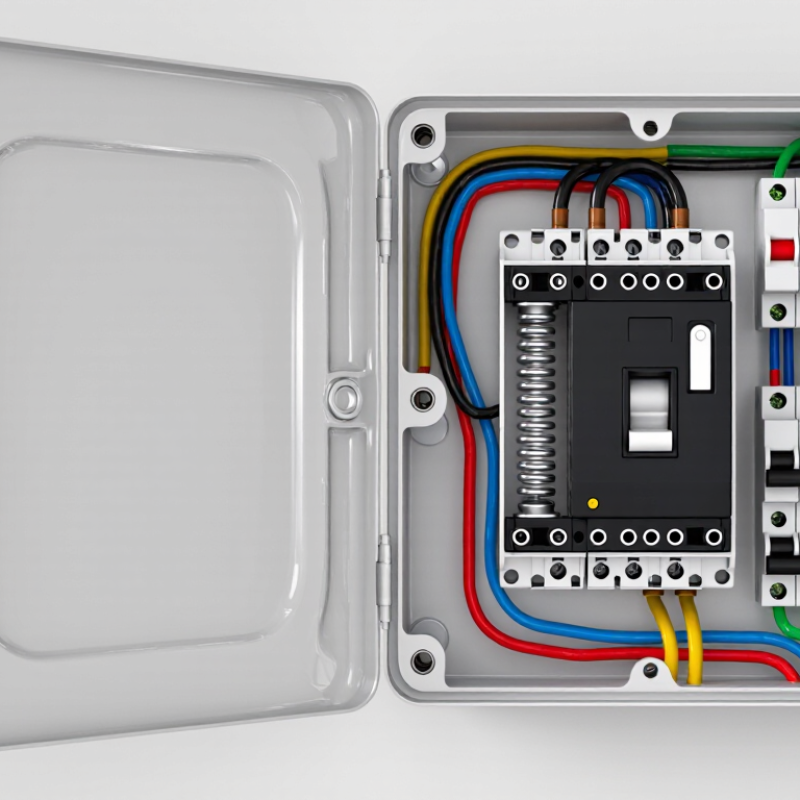
A Home Waterproof Distribution Box can add protection in damp spots—garages, workshops, outdoor service areas, that kind of thing. But the enclosure rating doesn’t replace proper grounding, the right breakers, or professional installation. Local electrical codes should guide what you buy and how it’s installed. Manufacturer instructions matter, too.

This guide walks through breaker parts, how they work, warning signs, and safe maintenance choices. It also points out one important limit: no breaker can fix every wiring problem. You still need careful testing. And just because your panel is quiet doesn’t mean everything’s healthy.
What Is a Home Circuit Breaker and How Does It Work?

Definition and Purpose of a Home Circuit Breaker

A home circuit breaker is a safety switch inside the electrical panel. It monitors the current flowing through each household circuit. When electricity rises above a safe level, the breaker trips and opens the circuit. This action stops power before overheated wires create a serious fire risk.

Its purpose is simple but essential. It protects wiring, appliances, and people from overloads and short circuits. For example, a kitchen circuit may trip when a kettle, oven, and microwave run together. A short circuit can happen when damaged wires touch. The breaker reacts within a short time. You may hear a sharp click and find one switch sitting between “on” and “off.”

In a Distribution Box Home setup, breakers divide electricity into manageable circuits. Each breaker should have a clear label, such as lighting, sockets, or water heating. During a routine inspection, an electrician checks loose connections, heat marks, corrosion, and repeated tripping. A faded label is not harmless. It can delay safe troubleshooting. Never force a tripped breaker back on repeatedly. That response may hide a deeper wiring fault. The panel cover should remain secure, too. Small gaps matter. Homeowners can reset a breaker once, but persistent problems require a qualified electrician. Even experienced people can misread an old panel. That deserves caution.

Main Parts and Internal Construction

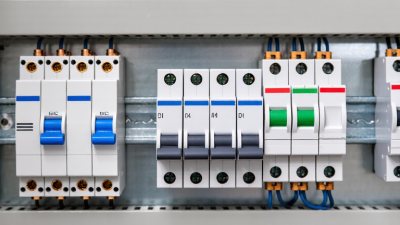
A home circuit breaker is a resettable safety device inside an electrical panel. Its main parts work together to interrupt excessive current. The outer case uses molded insulating material. It protects people from energized components and contains heat during a fault. The line terminal receives incoming power. The load terminal sends protected power toward outlets, lights, or appliances.

Inside, a metal busbar distributes electricity to individual breakers. A movable contact normally touches a fixed contact. This connection allows current to pass through the circuit. A spring-loaded operating mechanism holds the contacts closed. When the breaker detects danger, the mechanism releases quickly. Speed matters. A slow separation can create a dangerous electrical arc.

Many residential breakers use thermal and magnetic protection. A bimetal strip bends when prolonged overload current creates heat. Its movement triggers the trip mechanism. A magnetic coil reacts almost instantly to a large fault current. It pulls a release lever and opens the contacts. Small metal plates inside the arc chamber divide and cool the arc. The neutral connection may be separate, depending on the circuit design.

A field inspection often shows that panel layouts are less intuitive than diagrams suggest. Worn terminals, loose connections, or heat marks can affect performance. The internal parts may look simple, but their timing must be precise. I once assumed a tripped handle always indicated a failed breaker. That assumption can mislead. Overload, short circuits, and poor connections require different checks. Only a qualified electrician should open the panel or test energized components.

How a Circuit Breaker Detects Electrical Faults

A home circuit breaker is an automatic safety switch inside the electrical panel. It monitors current flowing through a circuit. Under normal conditions, electricity passes through a protected path to outlets, lights, and appliances. When current becomes excessive, the breaker opens the circuit and stops the flow.

Most breakers detect faults in two practical ways. A thermal element responds to sustained overloads, such as too many appliances sharing one circuit. Heat slowly bends a metal strip until the breaker trips. A magnetic mechanism reacts to a sudden surge, often caused by a short circuit. Its electromagnet moves almost instantly and separates the contacts. Fast action helps reduce fire risk and equipment damage.

Ground-fault protection works differently. It compares current leaving through the hot conductor with current returning through the neutral conductor. A small imbalance may indicate electricity escaping through a person or another unintended path. The device can disconnect power within a fraction of a second. This matters in damp areas.

The system is not perfect. A breaker may trip repeatedly because of a damaged wire, failing appliance, or overloaded circuit. It cannot correct the underlying problem. Resetting it again and again is unsafe. A qualified electrician should inspect persistent trips, warm outlets, burning smells, or buzzing sounds. Circuit ratings, wire sizes, and local electrical rules must also match. Small details matter.

What Happens When the Breaker Trips

What Is a Home Circuit Breaker and How Does It Work?

A home circuit breaker is an automatic safety switch. It monitors current flowing through a circuit. The breaker sits inside the Distribution Box for Home, often called the electrical panel. When current rises beyond a safe level, it opens the circuit. This action stops electricity from reaching downstream wiring and appliances. It helps prevent overheated conductors, damaged equipment, and electrical fires.

What Happens When the Breaker Trips

A trip usually feels sudden. Lights go dark. Some outlets stop working. Inside the breaker, a thermal element may react to prolonged overload. A magnetic mechanism may respond to a sharp surge, such as a short circuit. You may hear a small click. The switch handle can rest between “on” and “off,” which confuses many homeowners. Unplug high-demand devices, then move the handle fully off before switching it on. Never force it.

If it trips again immediately, leave it off. Repeated trips indicate an unresolved problem, not a stubborn switch. The cause could be a faulty appliance, damaged wiring, moisture, or too many loads on one circuit. An electrician should test the circuit with proper instruments. Do not remove the panel cover or touch exposed parts. I have seen people blame the breaker too quickly; sometimes it is the only component working correctly. A warm smell, buzzing sound, scorch mark, or visible damage needs prompt professional attention.

What Is a Home Circuit Breaker and How Does It Work? — What Happens When the Breaker Trips

System Part or Condition What Happens During Normal Operation What Causes a Trip or Shutoff What the Homeowner Should Do Important Safety Information
Circuit Breaker Normal
Allows current to flow through a branch circuit while monitoring the circuit for excessive electrical current.
The breaker opens the circuit when current exceeds its intended rating for long enough to create a dangerous heating condition. Switch the breaker fully to the OFF position and then back to ON once. Check whether the connected lights or outlets operate normally. Never replace a breaker with one of a higher rating unless the entire circuit has been evaluated and approved by a qualified electrician.
Overload Appliances and lighting loads draw current within the circuit’s design capacity. Too many devices, high-wattage appliances, or equipment operating at the same time draw more current than the circuit is designed to carry. Unplug or switch off some loads, distribute portable appliances across different circuits, and reset the breaker once. A frequently overloaded circuit may indicate inadequate circuit capacity, loose connections, or a wiring problem that requires professional inspection.
Short Circuit Current travels through the intended wiring path to the connected load. A hot conductor contacts a neutral conductor, another hot conductor, or a grounded metal part, creating a very low-resistance path and a sudden current surge. Unplug the suspected device if it can be done safely. Reset the breaker only once after removing the likely cause. If the breaker trips immediately again, leave it OFF. Do not repeatedly reset it or inspect damaged wiring while energized.
Ground Fault Electrical current returns through the intended neutral conductor. Current leaks from a hot conductor to ground, often through damaged insulation, moisture, equipment, or a person. Disconnect equipment in the affected area and reset the protective device only if the area is dry and there is no visible damage. Ground-fault protection is especially important in damp locations. Persistent trips require a qualified electrician to identify the leakage source.
GFCI Protection Compares current leaving on the hot conductor with current returning on the neutral conductor. Trips when it detects a small imbalance, commonly associated with current flowing through an unintended path to ground. Press the RESET button after removing wet equipment or a suspected faulty appliance. Use the TEST button periodically according to the device instructions. A GFCI trip can prevent severe electric shock. Do not bypass it, remove its grounding connection, or continue using a device that repeatedly causes trips.
AFCI Protection Monitors electrical waveforms for patterns associated with hazardous arcing. Detects certain unintended arcing conditions that may occur in damaged cords, loose connections, or deteriorated wiring. Unplug recently used devices and reset the AFCI once. If it trips again, stop using the affected circuit and arrange an inspection. Do not assume an AFCI trip is caused by a harmless appliance. Repeated trips can signal a fire hazard or an incompatible fault condition.
Thermal Protection The breaker remains closed while the circuit operates within safe current and temperature limits. An internal bimetal element heats and bends when excessive current persists, releasing the mechanism and opening the circuit. Allow the breaker to cool before attempting one reset, then reduce the connected load. A breaker may feel warm after heavy use, but burning odors, discoloration, buzzing, or excessive heat require immediate professional attention.
Magnetic Protection The breaker permits normal starting currents from suitable equipment without opening unnecessarily. A strong magnetic response opens the circuit rapidly during a severe short circuit or very high current surge. Turn off and unplug equipment that may have caused the event before attempting a single reset. Do not open the electrical panel or handle exposed conductors. High fault currents can cause arc flash, burns, or fatal injury.
Breaker Position After a Trip The handle is normally in the ON position and power is supplied to the circuit. Some breakers move to a middle position; others may appear nearly ON while internally disconnected. Move the handle firmly to OFF first, pause briefly, and then move it to ON. Confirm whether power has returned. If the handle will not reset, trips immediately, or the panel shows damage, keep it OFF and contact a qualified electrician.
Repeated Tripping A properly operating circuit should supply its normal connected loads without frequent interruptions. Possible causes include persistent overload, a defective appliance, damaged wiring, moisture, loose connections, or a failing protective device. Record what was operating when the trip occurred, disconnect suspicious equipment, and arrange professional troubleshooting if the problem continues. Repeated resetting can overheat wiring and conceal a dangerous fault. Do not tape, hold, or otherwise force the breaker to remain ON.
Loss of Power Without a Trip The circuit normally provides power when the breaker and downstream devices are functioning correctly. The cause may be a tripped GFCI receptacle, a loose connection, an open neutral, a failed breaker, or a utility interruption. Check other nearby circuits and press RESET on relevant GFCI devices if safe. If power remains absent, seek professional assistance. Do not remove receptacle covers or panel covers to search for the fault unless you are trained and legally authorized to do so.
When to Call an Electrician The electrical system operates reliably, with no unusual heat, sound, smell, or visible damage. The breaker trips repeatedly, the panel smells burnt, wiring is damaged, water has entered electrical equipment, or sparks or smoke are present. Turn off the affected circuit if it can be done safely and contact a licensed or otherwise qualified electrical professional. If there is smoke, fire, or an immediate danger, leave the area and contact emergency services. Never work on energized electrical equipment.

Key principle: A circuit breaker is a protective device, not a substitute for correct wiring, proper maintenance, or professional troubleshooting. A single trip may result from a temporary overload, but repeated trips should always be investigated.

Different Types of Home Circuit Breakers

A home circuit breaker is a resettable safety switch. It opens the circuit when current becomes dangerous. This prevents overheated wires, damaged appliances, and possible fires. NFPA’s Home Structure Fires report, covering 2016–2020, found electrical distribution and lighting equipment involved in about 24% of home structure fires. That figure makes breaker selection more than a technical detail.

Different types protect against different hazards. A miniature circuit breaker, or MCB, responds to overloads and short circuits. It may trip when a heater and kettle share one circuit. A residual-current device, or RCD, detects current leaking toward ground. It is useful near bathrooms, kitchens, and outdoor sockets. An arc-fault circuit interrupter, or AFCI, senses dangerous electrical arcing behind walls. Some homes use dual-function protection, combining overcurrent and arc-fault detection. Main breakers protect the entire panel, while branch breakers protect individual circuits.

Small detail, big consequence. An electric bell for home may draw little power, but loose terminals can still create heat. The U.S. Consumer Product Safety Commission has repeatedly identified electrical distribution problems as a serious household fire risk. Local rules and wiring conditions must guide installation. Labels can also be confusing. I have seen homeowners reset a tripped breaker without checking the cause. That habit needs reconsideration. A breaker is not a repair. It is a warning. Qualified inspection remains essential when trips repeat, outlets feel warm, or burning smells appear.

Home Circuit Breakers: Protection Functions by Type

A standard thermal-magnetic breaker protects against overloads and short circuits. AFCI breakers add arc-fault protection, while GFCI breakers detect current leakage to help protect against electric shock. Dual-function breakers combine AFCI and GFCI protection with standard overcurrent protection. Values shown represent whether each protection function is included: 1 = included, 0 = not included.

How to Reset, Test, and Replace a Breaker Safely

A home circuit breaker is an automatic safety switch inside the electrical panel. It interrupts current when a circuit draws too much power or develops a fault. An Ac Circuit Breaker may trip because of overloaded outlets, damaged wiring, or a failing appliance. The panel can still contain dangerous voltage. Treat it seriously.

Before resetting, switch off or unplug appliances on the affected circuit. Stand to one side, keep your hands dry, and move the tripped lever fully to “off.” Then move it firmly to “on.” If power returns, observe the circuit for heat, buzzing, burning smells, or another trip. Never keep resetting it. For a breaker with a test button, press the button and confirm that the lever trips. If it does not, stop using that circuit and arrange professional testing. Do not remove the panel cover.

A breaker that trips repeatedly needs diagnosis, not a stronger replacement. Possible causes include overloaded wiring, short circuits, moisture, or a defective appliance. Replacement is not a simple switch change. A qualified electrician should isolate the supply, verify that voltage is absent, and install the exact approved type and rating. Never install a larger-rated breaker to prevent tripping. Labels can be faded, and older panels may be confusing. That small uncertainty matters. Even careful homeowners can misread a circuit. Stop when anything feels unclear.

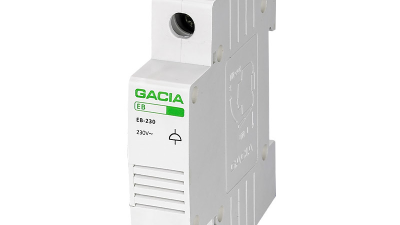
EB Series Electric Bell: Reliable Circuit Alarming and Indicating for Industrial Applications

The EB Series Electric Bell is a reliable solution for circuit alarming and indicating in industrial applications. Designed as a compact modular device for DIN rail installation, it delivers a clear and consistent audible signal when an alert is required. Its practical design makes it suitable for control panels, distribution boards, equipment rooms, and other low-voltage electrical systems where dependable notification is important.

With a simple structure and efficient sound output, the electric bell supports quick identification of operating conditions, warning signals, or other circuit events. Its compact format helps save valuable installation space, while the modular design allows convenient integration with related protection and control components. Stable operation and straightforward wiring also help simplify system setup and routine maintenance.

As part of a broader range of system expansion devices, the EB Series Electric Bell can contribute to a more complete and flexible electrical arrangement. It can be combined with compatible low-voltage equipment to improve circuit indication, enhance operational convenience, and support safer management of industrial and everyday electrical installations.

FAQS

What is a home circuit breaker?

It is a resettable safety switch inside an electrical panel. It interrupts dangerous current before wires overheat.

How does a circuit breaker detect danger?

A thermal strip reacts to prolonged overloads. A magnetic coil reacts almost instantly to severe fault current.

What happens when a breaker trips?

Lights may go dark, and nearby outlets may stop working. The handle can rest between “on” and “off.”

How should I reset a tripped breaker?

Unplug high-demand devices first. Move the handle fully off, then switch it on once.

What if the breaker trips again immediately?

Leave it off. The circuit may have damaged wiring, moisture, a faulty appliance, or excessive load.

What are common breaker types?

Overcurrent breakers protect against overloads and short circuits. Leakage and arc-fault devices address different electrical hazards.

Can a small appliance still create a serious problem?

Yes. A small doorbell may use little power, but a loose terminal can create heat.

When should an electrician inspect the circuit?

Seek professional help after repeated trips, buzzing, burning smells, warm outlets, scorch marks, or visible damage. Do not open the panel yourself.

Conclusion

A Home Circuit Breaker is a safety device that controls electricity in a residential electrical system and protects wiring from dangerous conditions. It contains terminals, a switching mechanism, and a trip mechanism designed to respond when current becomes excessive. By monitoring the electrical flow, the breaker can detect problems such as overloads or short circuits. When a fault occurs, it automatically trips and separates the circuit, stopping the flow of electricity to reduce the risk of overheating, equipment damage, or fire.

Home circuit breakers come in several types, each suited to different protection needs, including basic overcurrent protection and devices designed to respond to leakage or arcing conditions. After identifying and correcting the cause of a trip, a homeowner may reset the breaker by moving it fully to the off position and then back on. Testing should follow the device’s instructions, while replacement should be handled carefully and, when necessary, by a qualified electrician. Any signs of burning, repeated tripping, or physical damage require professional inspection.
Lucas

Lucas

Lucas is a dedicated marketing professional with over two decades of experience in the circuit breaker industry. Since the inception of his company in 2002, he has been a vital part of a team that has positioned itself among the top three exporters of low-voltage circuit breakers in the nation.......
Previous 2026 Top Miniature Circuit Breaker Types for Global Buyers?