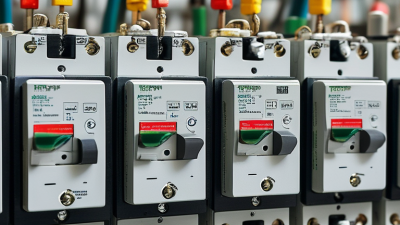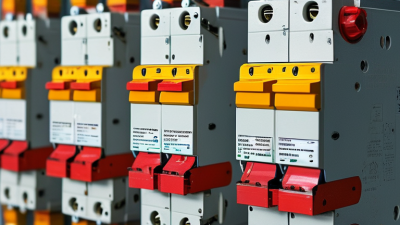
In today's world where everyone’s really conscious about energy use, managing energy efficiently has become more important than ever—especially for a lot of industries out there. Did you know that according to the U.S. Department of Energy, buildings actually consume about 40% of all energy? That’s a huge chunk, which makes having effective systems super critical. One key piece of the puzzle is the Thermal Breaker. It’s designed to boost insulation and cut down on energy losses. Major manufacturers like Siemens and Schneider Electric are pouring resources into this tech because they understand just how vital it is.
Lately, Thermal Breakers are really getting some buzz because they help save money and make things more efficient. There are reports suggesting that good thermal management in buildings can slash energy bills by as much as 30%. That’s pretty impressive, right? But, there are still some bumps in the road. Not all products are created equal; some can perform poorly if quality isn’t up to par. Honestly, figuring out what’s what can be pretty overwhelming for consumers—there’s a lot to wrap your head around. The ongoing energy crisis has definitely pushed this sector forward, but not everything on the market is perfect.
Choosing dependable Thermal Breaker solutions can really make a difference in how effectively we manage energy. Things look promising with all the innovation happening, but it’s also important to be cautious and thoughtful about your choices. Getting to know the different options out there helps ensure you pick the right Thermal Breaker that actually fits your specific energy needs and helps you save money in the long run.
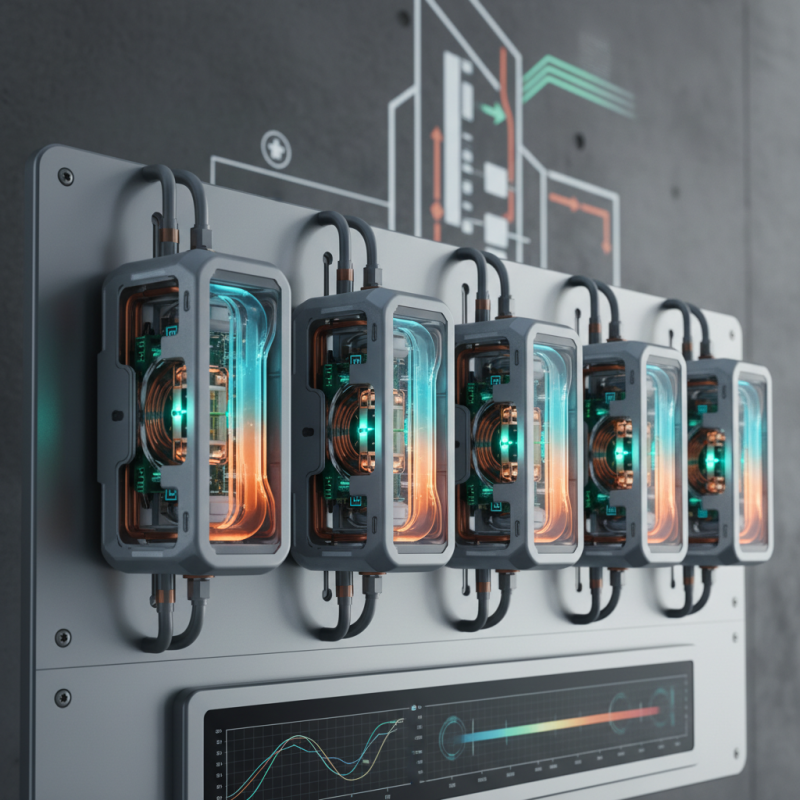
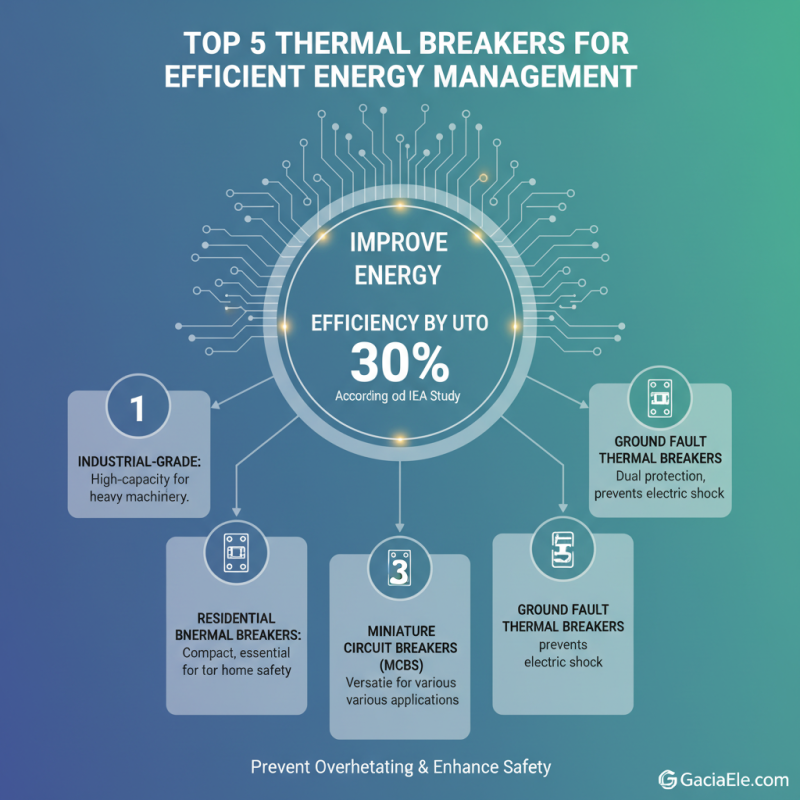
Efficient energy management is crucial in today's world. One effective solution lies in the proper use of Thermal Circuit Breakers. These devices are designed to prevent overheating in electrical circuits, enhancing safety and energy usage. According to a recent study by the International Energy Agency, thermal breakers can improve energy efficiency by up to 30%. This statistic underlines their importance in modern energy systems.
Moreover, effective thermal breakers can lead to significant cost savings. A report by the U.S. Department of Energy indicates that inefficient breakers cause up to 10% energy loss in residential and commercial settings. This inefficiency can accumulate over time, resulting in high energy bills. Investing in high-quality thermal circuit breakers minimizes these losses and improves overall system reliability. While many installations fail due to improper sizing or installation, paying attention to details can yield substantial benefits.
In addition to performance, thermal breakers vary in sensitivity and trip mechanism. Users often overlook these specifications. Choosing the right type is vital for maximizing efficiency. A well-chosen thermal circuit breaker ensures protection, reliability, and contributes to energy savings. Understanding how these components work can significantly enhance energy management strategies.
Thermal breakers play a crucial role in energy management. They help control the flow of electricity and prevent overheating. This feature enhances safety and improves energy efficiency. According to the U.S. Department of Energy, buildings account for nearly 40% of total energy consumption. Effective thermal management reduces waste and optimizes energy use.
Thermal breakers act as barriers against heat transfer. They are installed in walls, roofs, and floors. This minimizes energy loss through conduction. A report by the National Renewable Energy Laboratory highlights that up to 30% of energy consumed in a home is lost due to thermal bridging. Addressing these gaps can lead to significant savings.
However, not all thermal breakers perform equally. Selecting the right type and material is crucial. Some installations may overlook the importance of even small gaps. These flaws can lead to energy inefficiency over time. Regular inspections and updates can help maintain energy-saving effectiveness. Energy-efficient systems require diligence and attention to detail to achieve optimal performance.
Thermal breakers play a crucial role in energy management systems. Their efficiency largely depends on key features such as response time and load capacity. A study by the International Energy Agency highlights that effective thermal breakers can reduce energy loss by up to 25%. This efficiency is critical as buildings account for about 40% of global energy consumption.
High-performance thermal breakers often feature advanced sensors for rapid heat detection. These sensors enable quicker responses to rising temperatures. Moreover, modern designs can handle varying load capacities. The optimal balance between durability and functionality can enhance energy efficiency in HVAC systems. Data indicates that implementing top-quality thermal breakers can lead to savings of up to 15% on energy bills.
However, not all thermal breakers meet these standards. Some lack the necessary certifications, which can lead to reliability issues. The importance of selecting compliant and tested components cannot be overstated. Energy experts recommend regularly auditing existing thermal breakers to ensure they meet current performance benchmarks. Regular maintenance helps mitigate efficiency losses over time, ensuring long-term sustainability in energy management practices.
| Thermal Breaker Model | Max Temperature Rating (°C) | Current Rating (A) | Material | Key Features |
|---|---|---|---|---|
| Model A | 120 | 10 | Aluminum | High Efficiency, Lightweight |
| Model B | 150 | 16 | Composite | Corrosion Resistant, Durable |
| Model C | 140 | 20 | Steel | High Stability, Low Thermal Conductivity |
| Model D | 180 | 25 | Plastic | Lightweight, Cost-effective |
| Model E | 160 | 30 | Copper | Excellent Conductivity, High Performance |
In 2023, the market for thermal breakers has become increasingly competitive. Energy efficiency is a crucial focus. Many organizations are implementing advanced Thermal Magnetic Type Circuit Breaker technology to enhance energy management. Recent industry reports indicate that these devices can reduce energy waste by up to 30%.
When selecting a thermal breaker, consider the brand's reliability and customer satisfaction ratings. A comparative analysis of leading brands reveals varying performance metrics. Some consistently achieve lower tripping rates, indicating improved performance. Data indicates that poor quality breakers can lead to significant energy losses over time. User reviews highlight that not all high-cost options guarantee better efficiency.
**Tips:** Regular maintenance of thermal breakers improves their lifespan and operational efficiency. Inspect connections periodically to avoid overheating. Remember, the choice of thermal breakers directly impacts overall energy consumption.
Tracking trends in thermal breaker technology is essential. New designs are more adaptable and user-friendly. However, not every new product is necessarily superior. Be cautious and research thoroughly. The right thermal breaker can make a notable difference in energy savings, reinforcing its critical role in efficient energy management.
Thermal breakers play a crucial role in energy management by minimizing heat transfer. This reduction helps maintain comfortable indoor temperatures while lowering energy costs. A Thermal Relay can effectively cut off heat flow, ensuring that energy is used more efficiently. By preventing unnecessary heat loss, these devices can improve overall system performance.
Incorporating thermal breakers in home or industrial settings can lead to significant energy savings. For instance, when installed in building walls, they can limit the impact of external temperatures. This not only enhances comfort but also reduces reliance on heating or cooling systems. However, improper installation or maintenance can undermine their effectiveness, leading to potential energy waste. Reflecting on the installation process is essential.
Understanding the different types of thermal breakers allows users to make informed choices. Some may require periodic checks to ensure they function optimally. Observing the performance over time is crucial. With a focus on these aspects, users can maximize energy savings and enjoy a more efficient environment.
Thermal breakers play a crucial role in HVAC systems. They prevent thermal bridging, reducing energy loss. This efficiency can lead to energy savings of 10%-30%. The American Society of Heating, Refrigerating and Air-Conditioning Engineers (ASHRAE) emphasizes that minimizing heat transfer is essential for improving HVAC performance.
When thermal breakers are effectively utilized, indoor temperatures stabilize. This reduces the workload on HVAC systems. As a result, systems can operate more efficiently. A study by the U.S. Department of Energy (DOE) found that optimizing HVAC systems with thermal barriers can improve energy efficiency ratings by up to 15%. This not only lowers energy bills but also decreases environmental impact.
However, not all thermal breakers perform equally. Some may not fit seamlessly in every situation. Factors like installation quality and material choices significantly affect performance. An inadequately installed thermal barrier can lead to air leaks, nullifying efficiency gains. Evaluating the specific needs of each installation is vital. Ensuring proper selection and implementation can maximize the benefits.
Thermal breakers play a crucial role in efficient energy management. Case studies illustrate their effectiveness in real-world applications. A commercial building in a cold climate adopted a thermal breaker system. This system reduced energy loss significantly. By minimizing heat transfer, the building reported a 20% decrease in heating costs. It’s a simple solution with profound impacts.
In another instance, a residential project integrated thermal breakers within its walls. Homeowners enjoyed improved comfort levels while spending less on energy bills. The project showcased how a small investment led to substantial savings. Unexpected challenges arose during installation, yet these provided valuable lessons. The team learned to optimize placement for better performance.
Real-world examples highlight not only the advantages of thermal breakers but also the potential pitfalls. Some projects underestimated thermal bridging, resulting in insufficient energy savings. This emphasizes the need for thorough analysis before implementation. Effective energy management requires careful planning and execution. The Ac Breaker is a pivotal component in this process.
This bar chart illustrates the energy savings achieved through the use of various thermal breakers in real-world applications. The data highlights the potential for energy efficiency improvements across different settings.
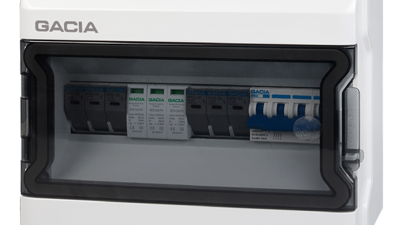
As the solar energy industry progresses, enhancing efficiency remains a critical focus. Recent industry reports shed light on advanced solutions, particularly the SCBP-3/1 PV Combiner Box with an integrated DC breaker. Designed specifically for 3-string PV systems, this product features an IP65 rating, ensuring robust protection against environmental factors while delivering effective surge protection and overload safeguarding for the solar DC side.
The incorporation of a DC breaker compliant with IEC60947-2 PV & DC standards offers reliable protection against overload and short circuits. The included non-polarity design not only simplifies wiring but also enhances safety during installation and maintenance. Furthermore, the addition of a Type 2 DC surge arrester, rated at 1000V and 40kA, aligns with the IEC/EN 61643-31 Type 2 standards, providing high-capacity defense against surges that could compromise system integrity.
Moreover, the integration of a DC fuse supporting 1000V operation, complete with optional LED indication, facilitates easy monitoring and maintenance, a crucial factor in optimizing operational efficiency. The use of a 10×38mm 16A fuse link aids in the straightforward replacement process, ensuring minimal downtime. These features collectively underscore industry reports’ recommendations for systems that prioritize not just efficiency but also reliability in real-world applications, crucial for driving the solar energy sector forward.
: Thermal breakers control electricity flow and prevent overheating. They enhance safety and improve energy efficiency.
Buildings account for 40% of energy use. Thermal breakers can minimize energy loss through thermal bridging, improving efficiency.
Not all thermal breakers perform the same. The right type and material can significantly affect energy efficiency.
Small gaps in installations can lead to energy inefficiency. Regular inspections are needed to maintain effectiveness.
They reduce energy loss, stabilizing indoor temperatures. This decreases the workload on HVAC systems and lowers energy bills.
Focus on reliability and efficiency ratings. Higher cost does not always guarantee better performance.
Regular maintenance can prolong their lifespan. Inspecting connections helps avoid overheating and ensures better performance.
Not every new design is superior. Research is vital to find the right options for energy savings.
Poor installation can lead to air leaks, nullifying energy efficiency gains. Proper evaluation of needs is essential.
Thermal breakers play a critical role in energy efficiency by minimizing heat transfer in various applications. Understanding the function of thermal breakers is essential for effective energy management, as they enable the regulation of temperature and enhance the performance of HVAC systems. High-performance thermal breakers typically boast key features such as superior insulation materials and robust construction that contribute to their efficiency.
A comparative analysis of some of the top thermal breakers in 2023 reveals significant improvements in energy savings, particularly through their application in real-world scenarios. Case studies demonstrate how these devices not only reduce energy costs but also improve overall system efficacy. With their proven impact on energy management, thermal breakers are indispensable for organizations seeking sustainable solutions in energy consumption.