

1P, 1P+N or 2P MCB: Which Pole Configuration Should You Choose?
The choice of a circuit breaker (MCB) type between a single pole (1P), single pole plus neutral (1P + N), and two pole (2P) type is essential when considering how a circuit will operate and be disconnected. The proper choice is dependent on various operational factors like neutrals, requirements for installation, electrical system, etc., and not just the commonly believed rule of breaking with a higher number of poles.
By knowing these differences, contractors, panel builders, and buyers can make sure they choose the correct miniature circuit breaker for use in residential, commercial, and any other low-voltage applications.
What Do 1P, 1P+N and 2P Mean?
A single-phase mini circuit breaker protects and disconnects one of the conductors. It can be mainly used in circuits where only the live phase conductor is required to be broken off.
A 1P+N MCB operates by switching the phase line as well as the neutral line. Although the overcurrent protection operates mostly on the phase conductor, this design allows for switching both lines and having a compact device.
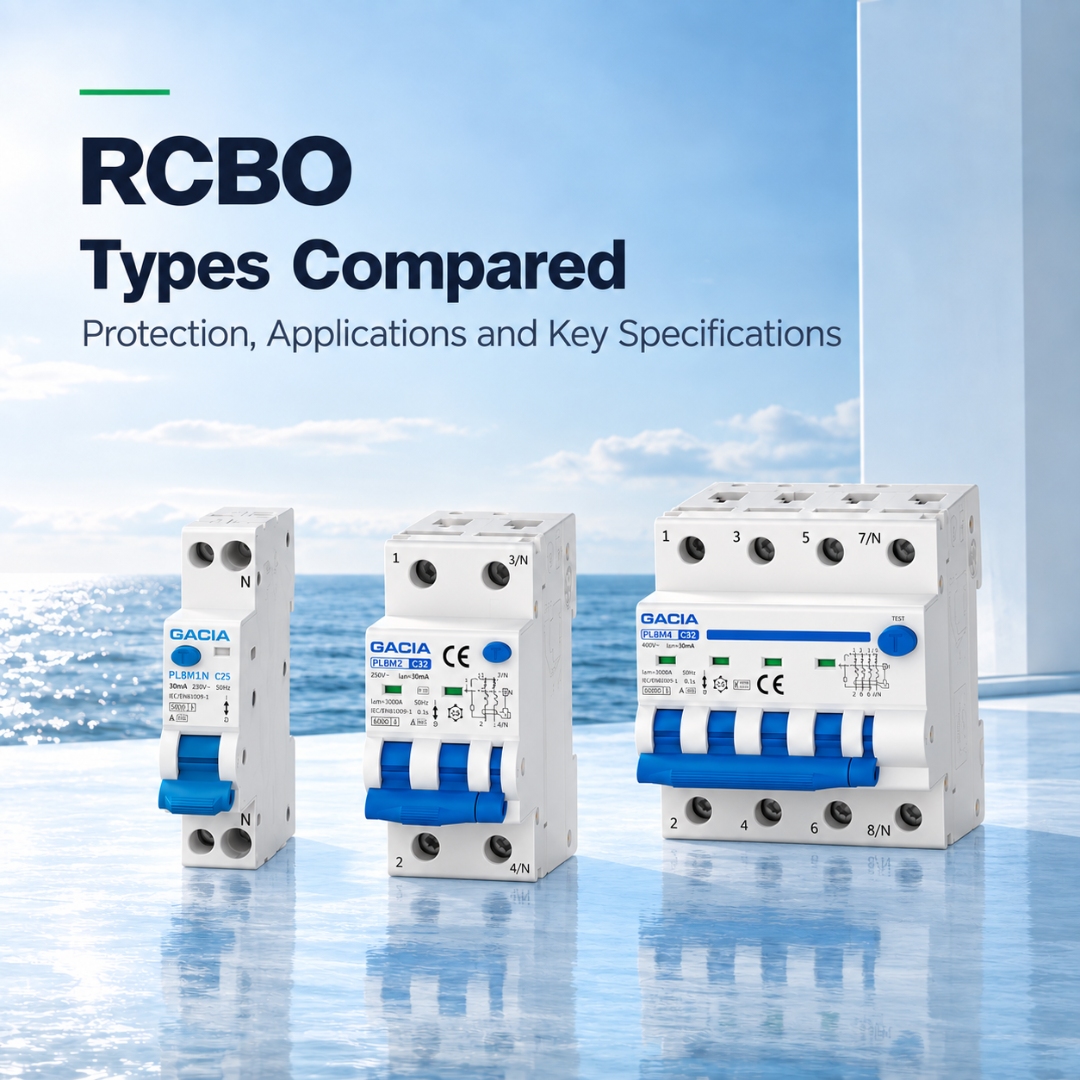
A two-pole miniature circuit breaker can simultaneously turn off two poles. Depending on the type of circuit breaker and the electrical system, it can be used when it is necessary to disconnect two conductors at once. It is recommended for customers to check the data in the manufacturer’s specifications to understand how each pole is protected.
How to Choose the Right Pole Configuration
The first point to consider is the electrical system. For most single-phase circuits, there are options for 1P, 1P + N, and 2P types of miniature circuit breakers, each serving various needs when it comes to isolation and wiring.
If a neutral disconnection is required, a 1P + N or an appropriate 2P breaker may be more suitable than a conventional 1P device. Always verify local electrical codes, since disconnection criteria and neutral disconnection requirements differ by market and use.
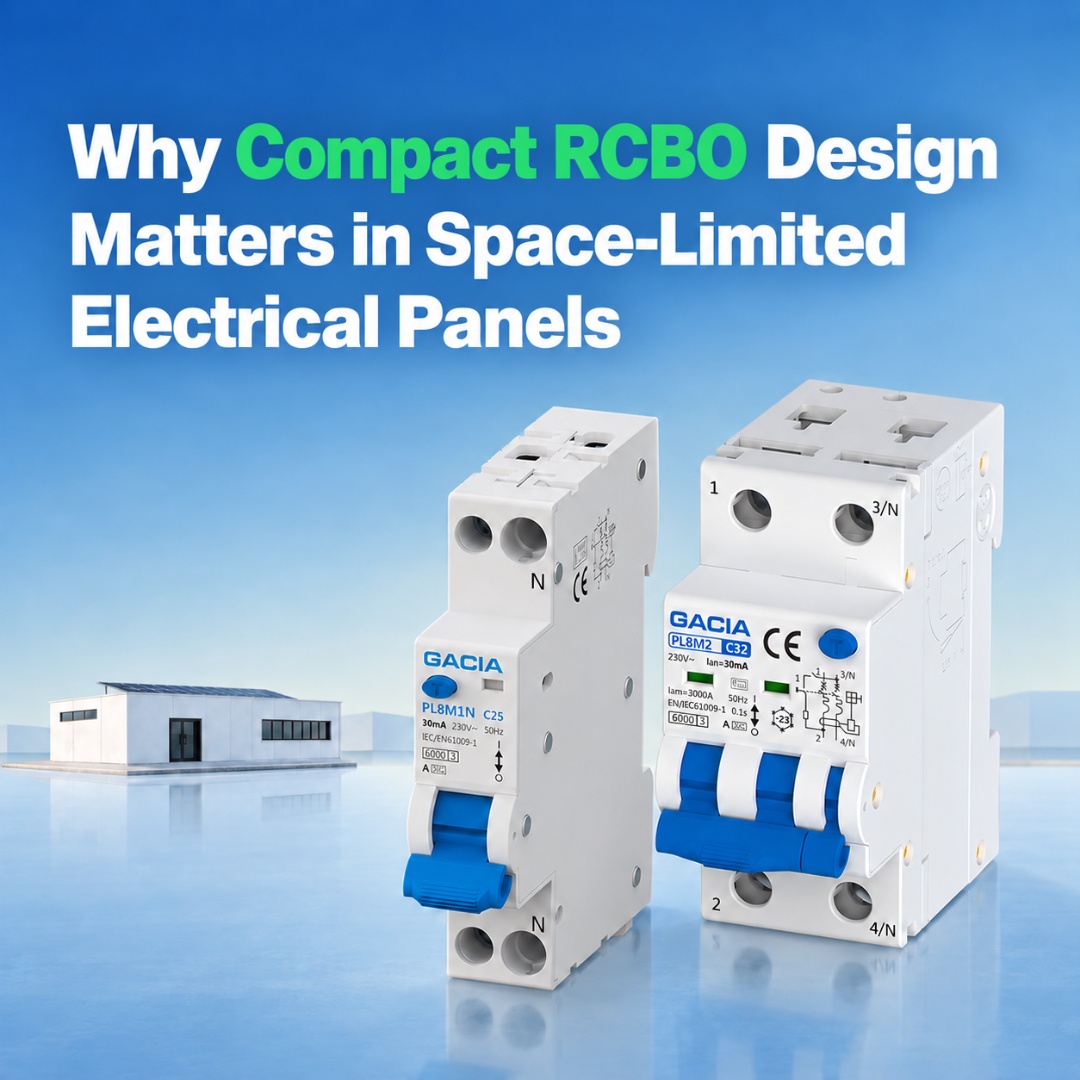
Another factor to consider is the panel space. A compact 1P+N breaker can employ phase-and-neutral switching at the same time without needing the width of a standard two-module installation.
GACIA MCB Options for Different Pole Requirements
GACIA provides MCBs in various pole configurations to meet the needs of different types of distribution boards.
The company was established in 2002 and exports low-voltage circuit breakers to more than 60 countries and regions.
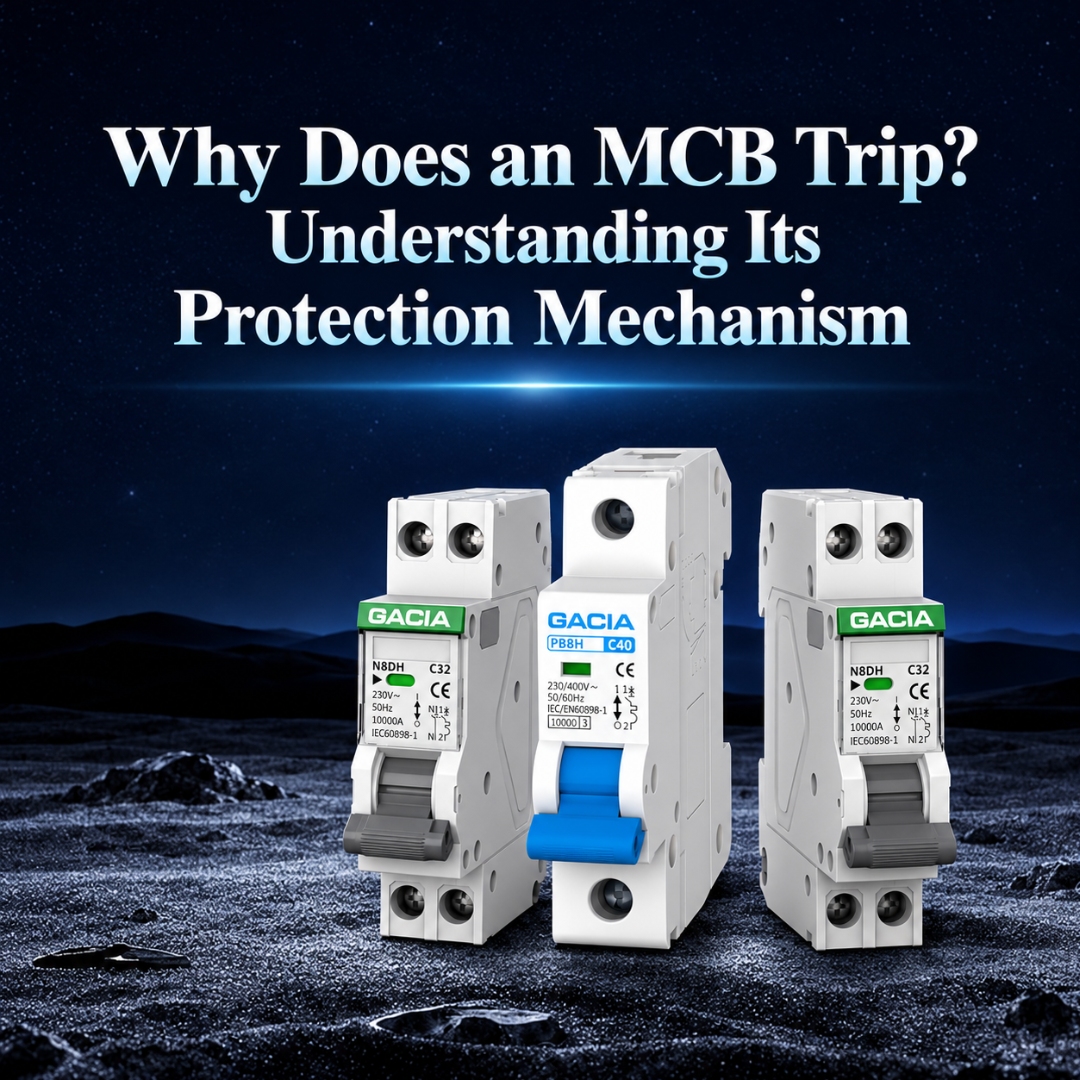
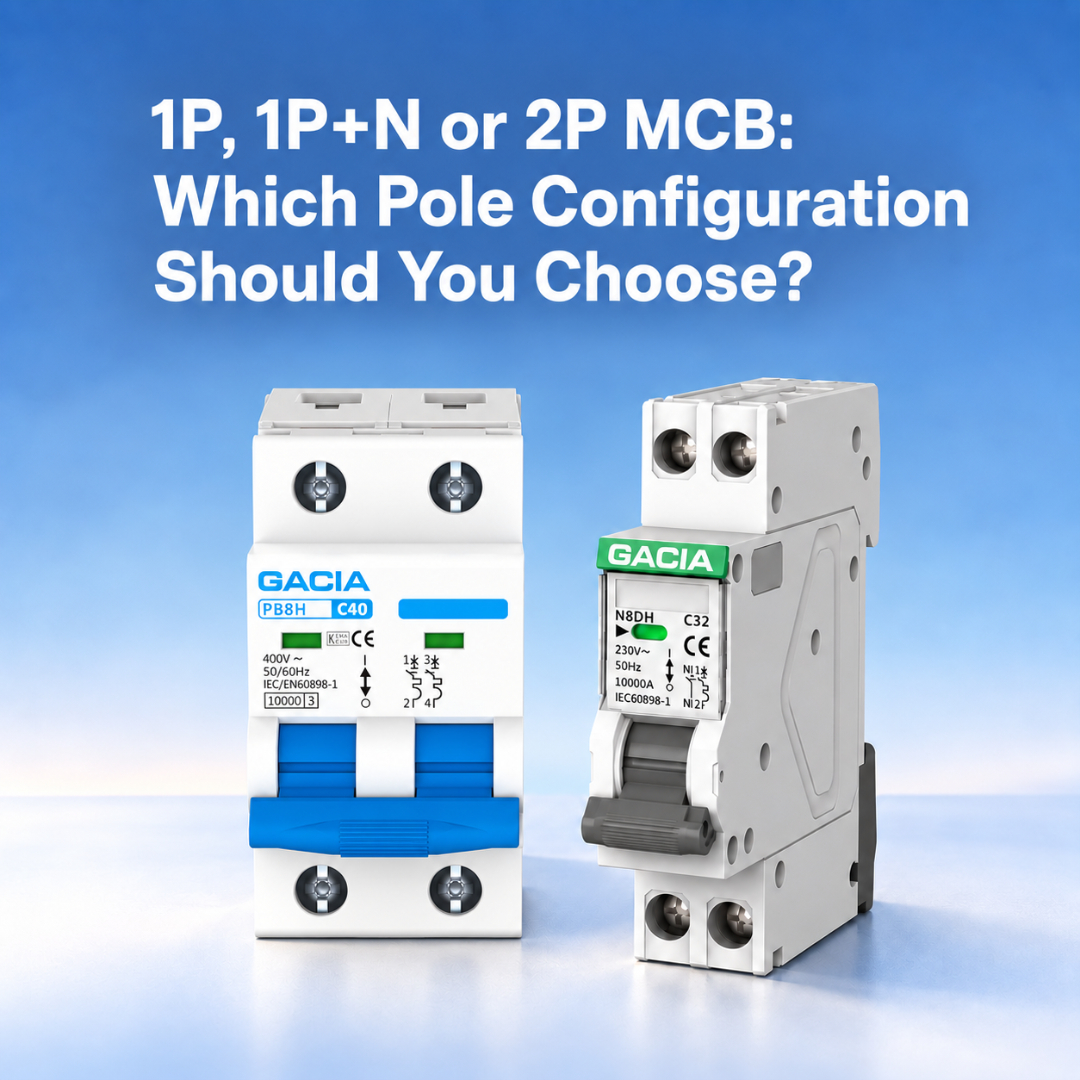
GACIA PB8H Professional P Series MCB
The GACIA PB8H is extremely appropriate for applications demanding versatility in pole configuration. The device comes in a variety of configurations which include 1P, 1P+N, 2P, 3P, 3P+N, and 4P formats, thereby enabling users to work with the same product family in different panel types.
The PB8H is used for various rated currents starting from 1A up to 63A and ensures a breaking capacity of 10kA. The circuit breaker has B, C, and D types of tripping characteristics and fulfills IEC/EN 60898-1.
For purchasers looking at the differences between 1P, 1P+N, and 2P choices, PB8H illustrates how it is possible to select various pole arrangements on a single MCB platform based on the specifications of an installation and electrical scheme of the line.
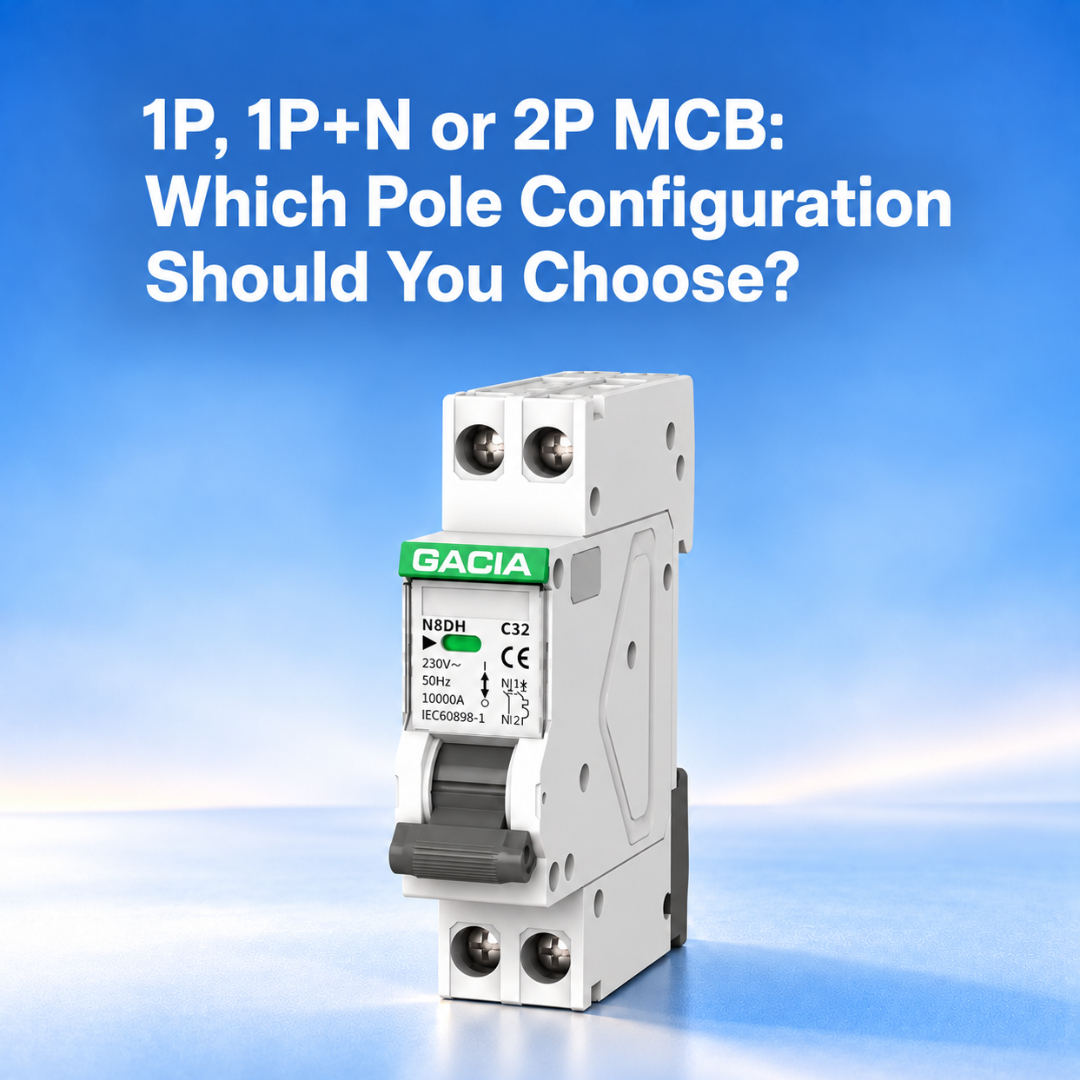
GACIA N8DH Compact 1P+N MCB
When it comes to situations that are constrained by space requirements of panels, GACIA N8DH offers a specialized solution in the form of a 1P+N configuration. This allows for the integration of a 1P+N configuration in a single-module width, thus making it possible to have less amount of DIN rail space.
The N8DH is offered in the range of 1A to 32A with a breaking performance of 6kA, and its main features are its B and C tripping characteristics. The device is made according to IEC / EN 60898-1 and can be used for 230V AC applications.
The N8DH is therefore helpful in situations requiring phase and neutral switching, in spite of space constraints in a distribution board.
1P vs 1P+N vs 2P: What Should Buyers Consider?
If you only need to switch on or protect a phase conductor, then a 1P breaker is the easiest choice to make. Meanwhile, the 1P + N type not only disconnects the neutral at the same time, but it also provides overcurrent protection mainly on the phase pole.
A two-pole circuit breaker can switch the circuit simultaneously at two poles and is often required by certain design parameters or installation techniques. Nevertheless, one should always check the precise configuration of protection for each of the poles mentioned in the datasheet provided with the product, specifically.
The correct choice therefore depends on several factors:
- System voltage and wiring arrangement
- Whether neutral disconnection is required
- Available DIN-rail space
- Rated current
- Breaking capacity
- Tripping characteristic
- Applicable local standards and installation rules
Does a 1P+N MCB Save Panel Space?
The product design could determine whether this is the case. For example, it is possible to use a compact 1P+N circuit breaker that combines both phase protection and neutral switching into one device.
The GACIA N8DH employs, for example, a 1P+N setup in a single-module size. This distinguishes the product from bigger multipole systems that might have to utilize additional DIN-rail room.
Which Configuration Should You Choose?
It's impossible to find one pole configuration that can work with all circuits. A 1P MCB works where only the phase needs interruption, while a 1P + N is good when the neutral needs to be disconnected as well, and the installation is compact. In a case where a certain system relies on double-pole disconnection, a 2P MCB might be needed.
When buying a breaker, it’s vital to assess the wiring system in use, local regulations, and product specifics to avoid making a choice based solely on the pole number.
Conclusion
The main difference among 1P, 1P+N, and 2P MCBs is in their technique of switching, isolating, and protecting conductors in an electrical system.
GACIA has more than a few choices to meet the requirements. The PB8H allows for a configuration from 1P up to 4P. Its rated current goes up to 63A, while the breaking capacity is 10 kA. Meanwhile, the compact N8DH features a one-module solution for the application of 1P + N where space is at a premium.
In the selection of any mini circuit breaker, consideration must be given to the pole configuration along with the current rating, breaking capacity, circuit design, and applicable electrical standards.