

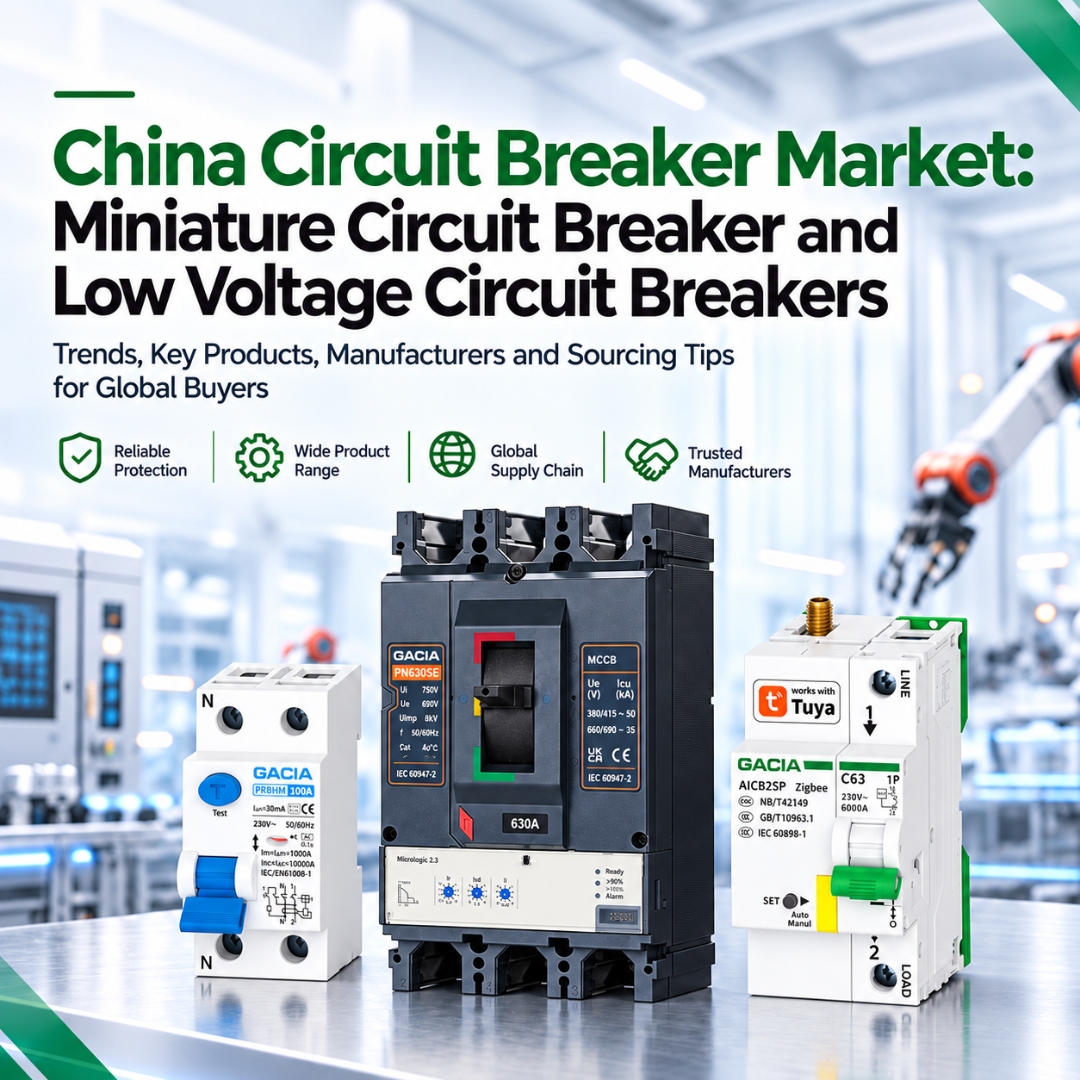
Application of Isolator: Functions, Uses, and Selection Guide
An isolator is a switching device that is fundamental to low-voltage electrical systems, with the job of disconnecting a circuit or a segment of an installation from the power supply. To give a simple definition of an isolator, it can be stated that it provides electrical isolation to make the service, inspection, or repair process possible after the circuit is disconnected.
The isolator is not primarily designed to provide automatic protection from overload or short circuit like a circuit breaker. Whereas an isolator has been designed with the primary purpose of creating a disconnection point between the electrical equipment or circuit under maintenance and the electricity supply. Thus, isolators are frequently used with protective devices like MCB and MCCB rather than servicing them.
GACIA, which specializes in low voltage electrical protection equipment, offers a variety of circuit protection and switching devices targeting residential, commercial, and industrial application areas, including MCBs, RCCBs, RCBOs, MCCBs, smart circuit breakers, isolators, and others.
Application of Isolator in Electrical Systems
Isolators are commonly used in electrical distribution systems to provide safe disconnection before maintenance work or servicing.
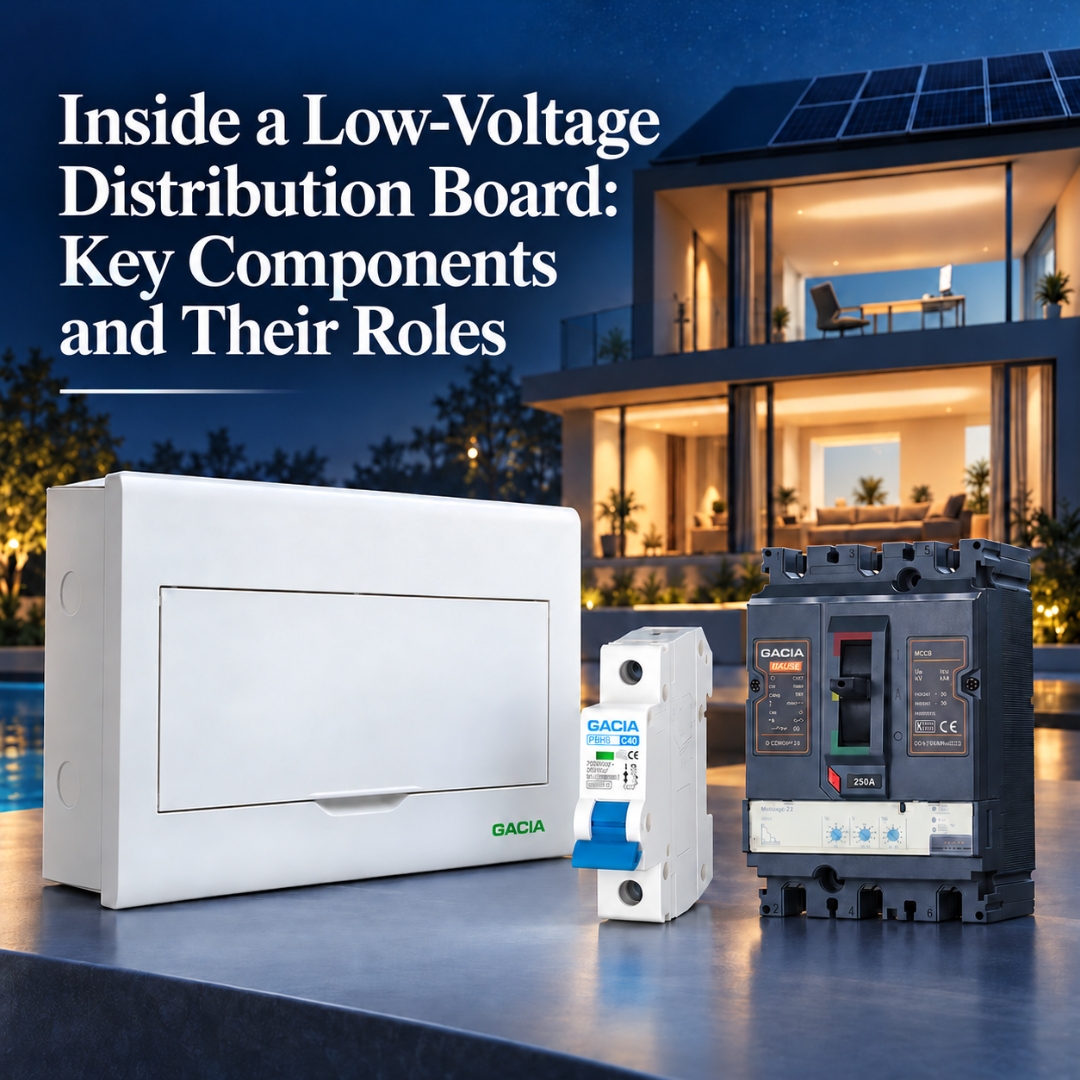
Isolators are used in distribution boards to disconnect parts of an installation from incoming electricity. As a result, electricians and maintenance staff can work on downstream equipment once the circuit has been isolated.
Isolators are frequently utilized with machines, control panels, and production apparatus in industrial locations. Before beginning any maintenance work, it is possible to turn the isolator to the OFF position, thus cutting off the equipment from the electrical supply.
Commercial establishments can also make use of isolation devices in distribution panels, HVAC systems, lighting systems, and various other electrical applications where there may be a need for separate circuits.
Another important use is sectional isolation. With the use of the isolator, a given section or circuit can be isolated from the rest of the electrical system without shutting down the electrical installation completely.
This means that the isolator is ideal where flexibility in maintenance operations and distinct separation of circuits is a requirement.
Isolator Definition and Main Function
A clear isolator definition should focus on its primary function: electrical isolation.
An isolator is a switching device that is operated manually, and it is used to disconnect the circuit from its energy supply. Its main role is to create a safe situation in which maintenance, inspection, or repairs can be done.
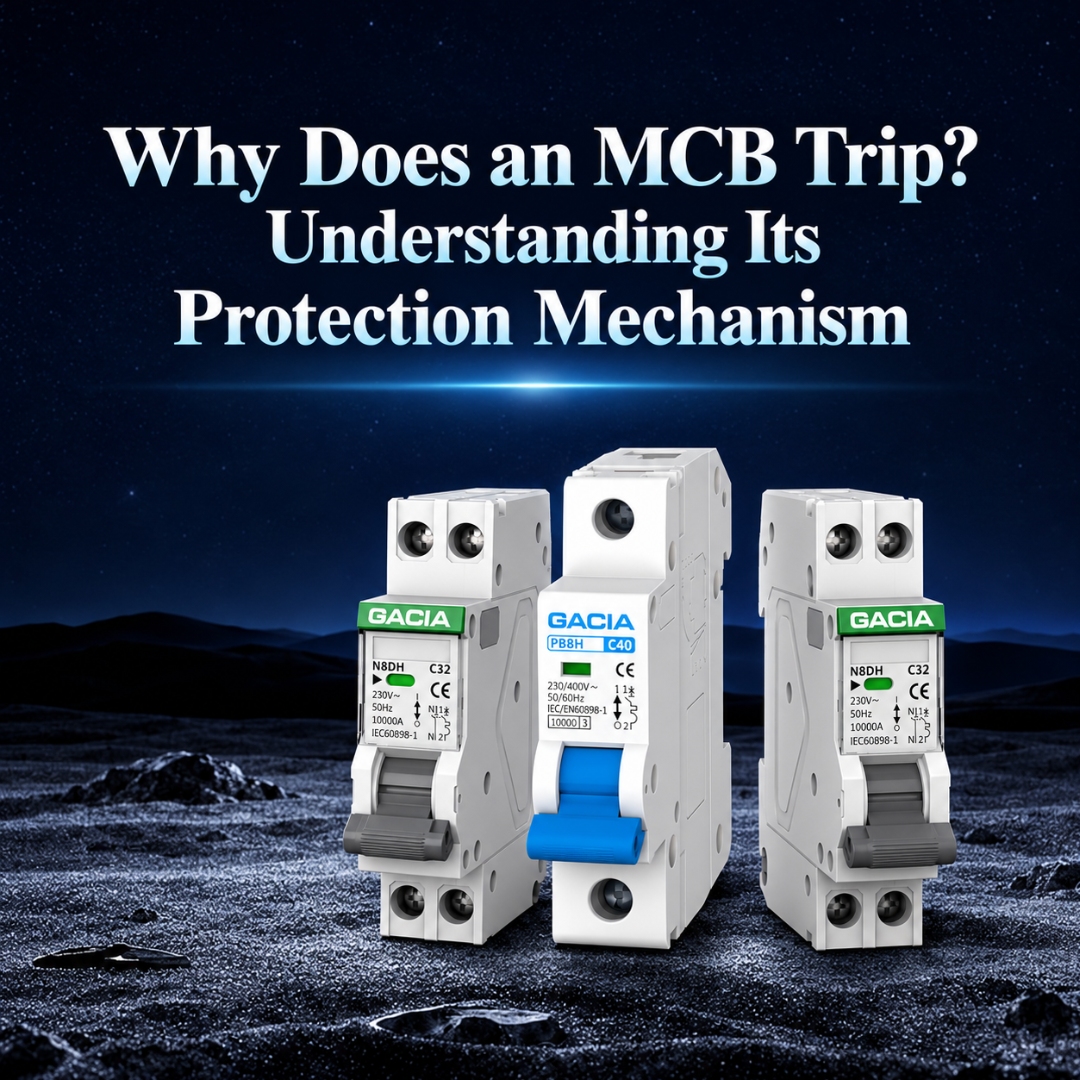
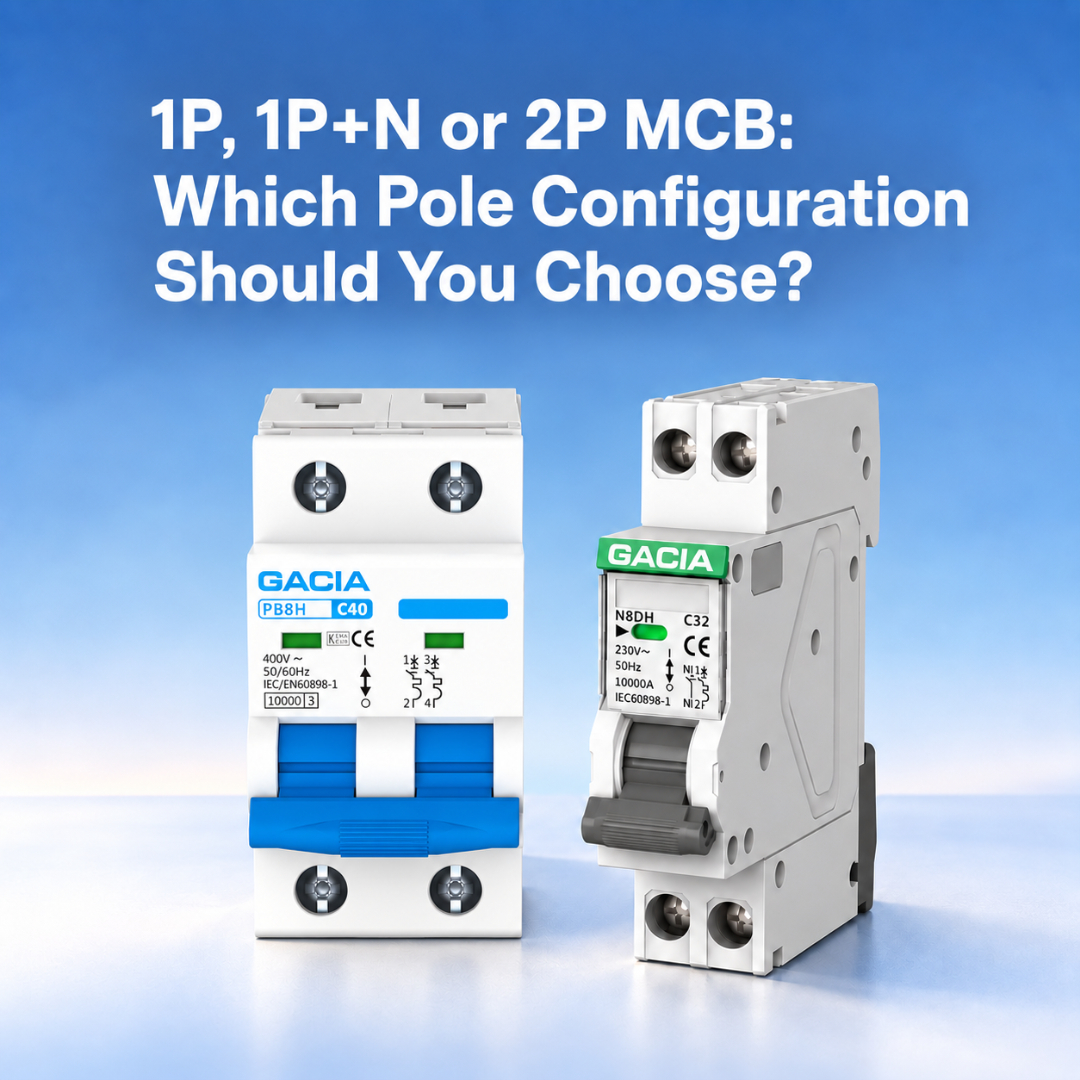
Unlike a circuit breaker, an MCB (Miniature Circuit Breaker) is built to protect against overloading and short-circuiting. Abnormal current conditions will automatically cause the MCB to trip.
An isolator is usually used purposefully by the operator. Its function is not to substitute for a protective circuit breaker.
This means the two devices can perform different functions within the same electrical system:
- Isolator: circuit isolation and disconnection
- MCB: overload and short-circuit protection
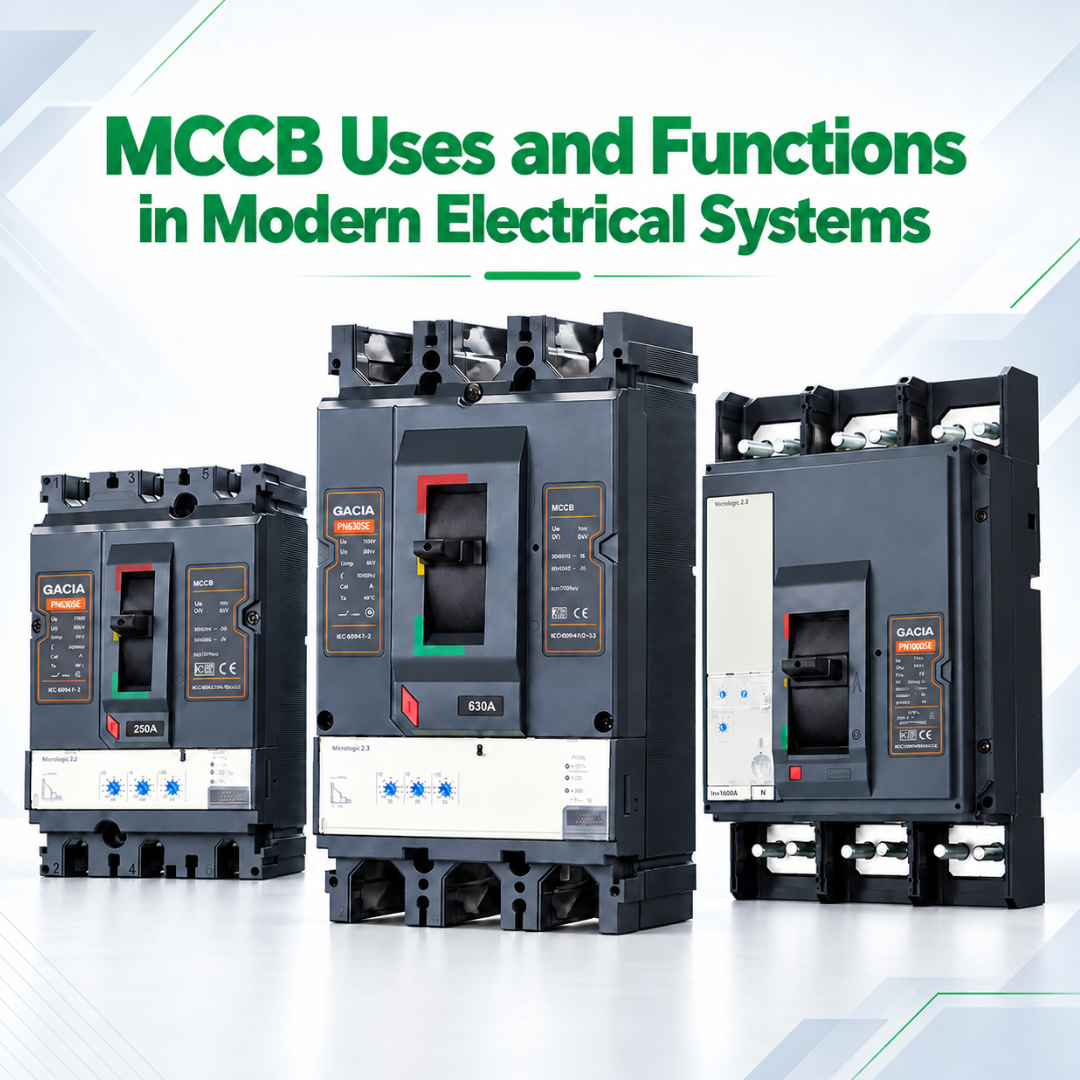
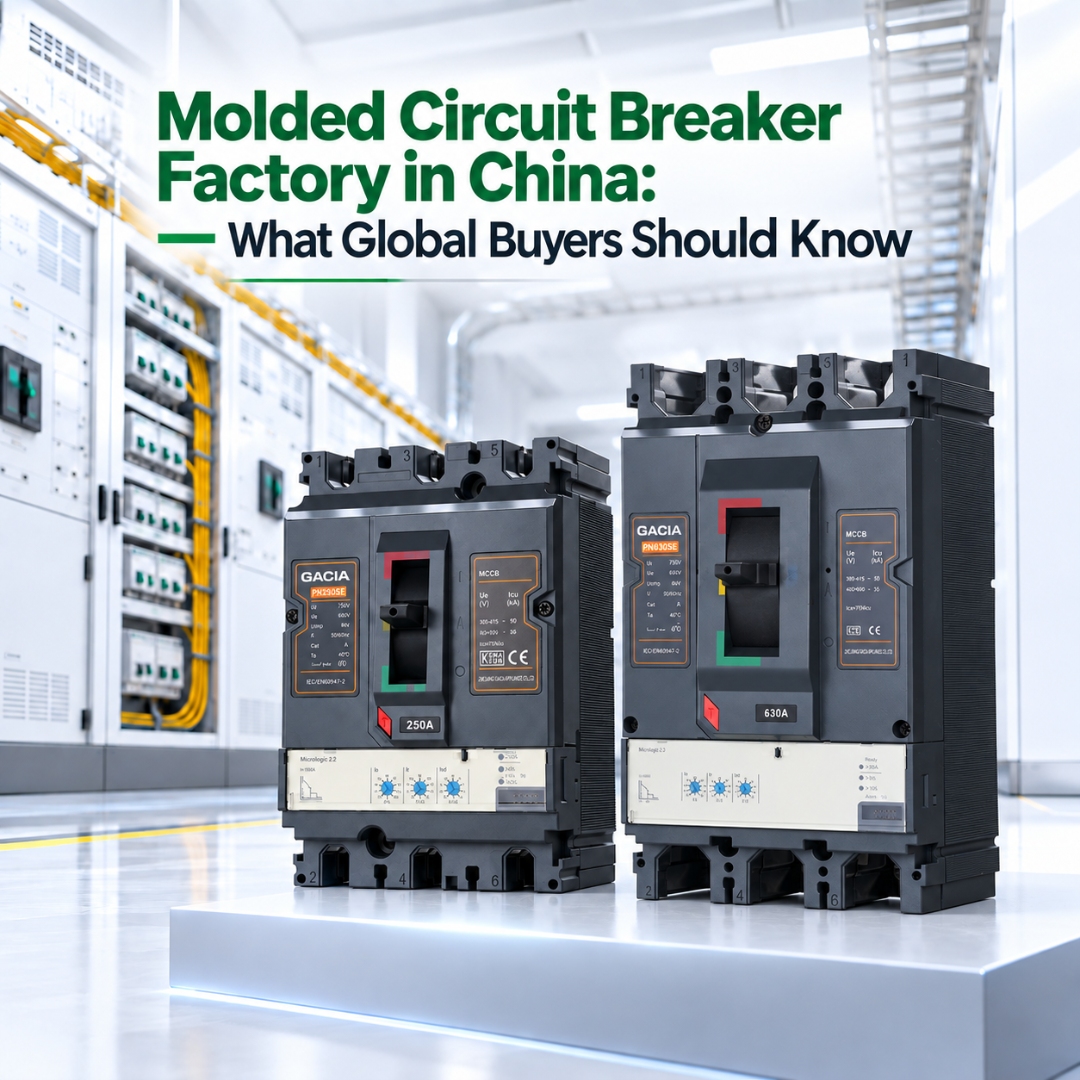
- MCCB: protection and switching for higher-current applications
It is essential to know these differences when designing or choosing equipment for a low-voltage distribution system.
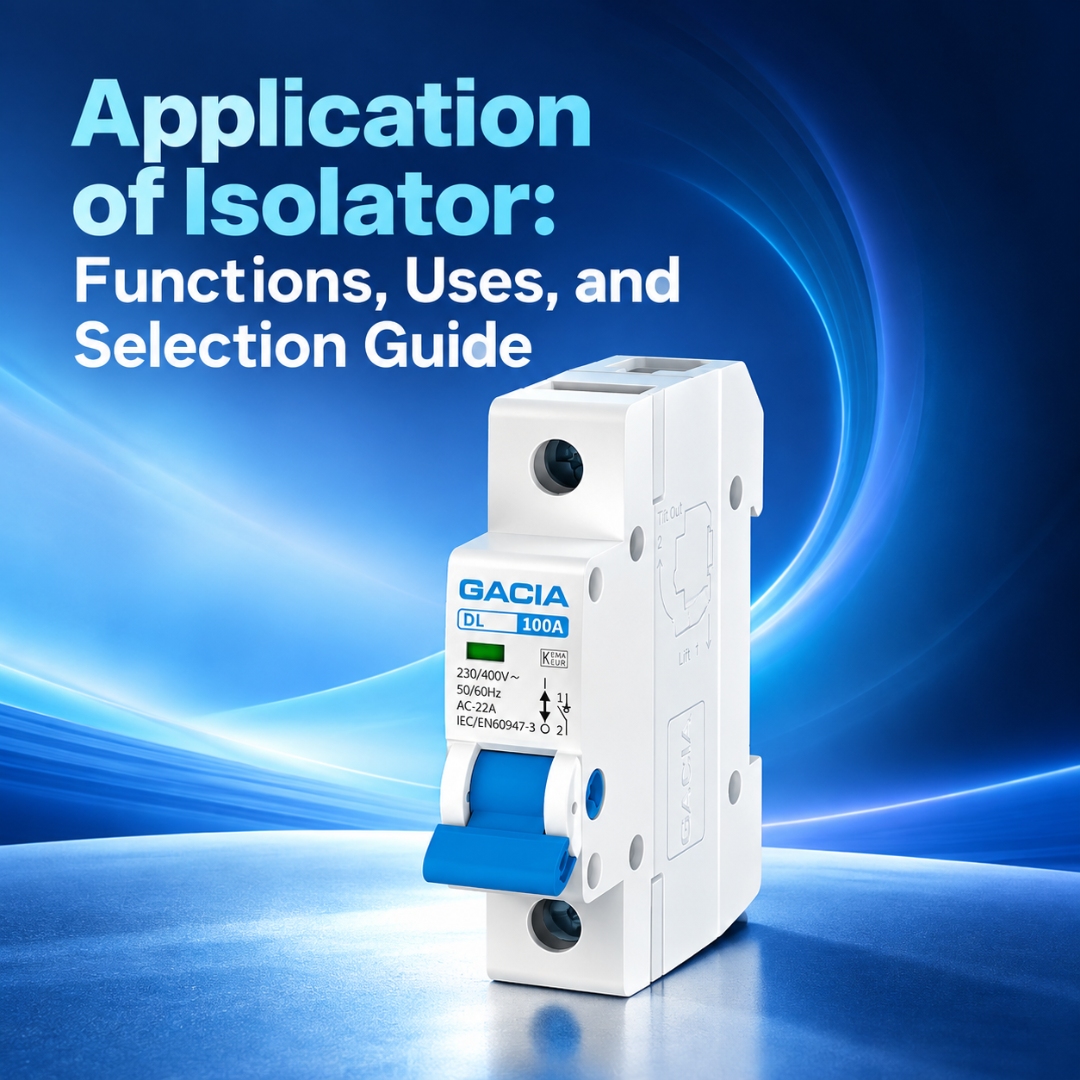
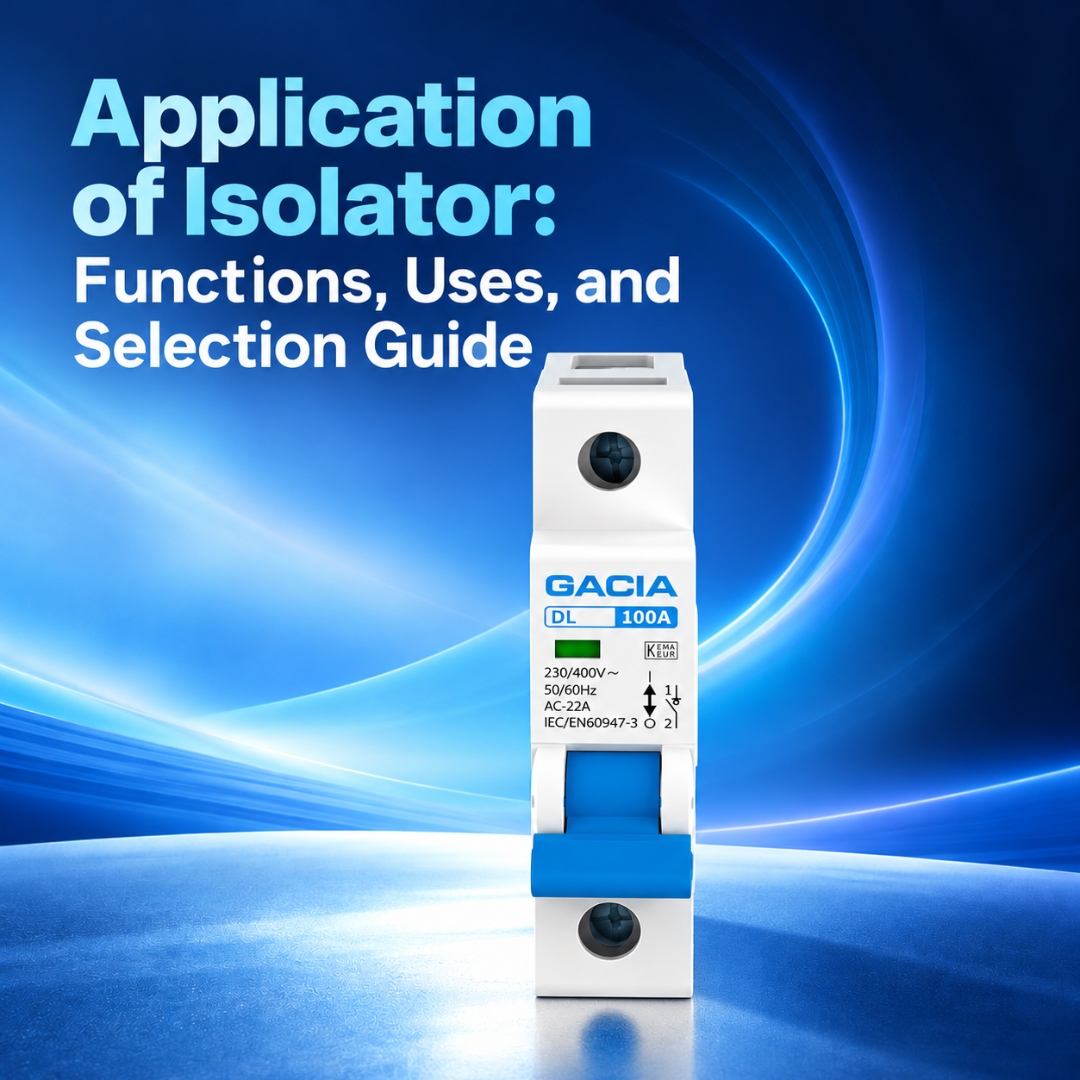
GACIA DL Professional P Series Isolator
The DL Professional P Series Isolator is part of the GACIA product range and is used for the process of isolating low-voltage circuits.
This product can be employed in cases where circuits must be opened for maintenance, inspection, or service purposes. It is applicable in electrical distribution and other industrial contexts where the primary function is turning off and isolating electrical circuits.
GACIA additionally offers various types of MCBs and isolators, enabling users to connect circuit disconnection devices with the appropriate type of protection solutions as per the requirements of electric system.
Isolator Selection: What Should Be Considered?
The proper selection of an isolator should be based on the system and application requirements, and not just on higher ratings.
One of the first factors to consider is rated current. The isolator that is selected must be able to carry the current flowing through the circuit.
The second factor is the rated voltage. The voltage rating of the isolator must be suitable for the electrical system in which it is intended to be used.
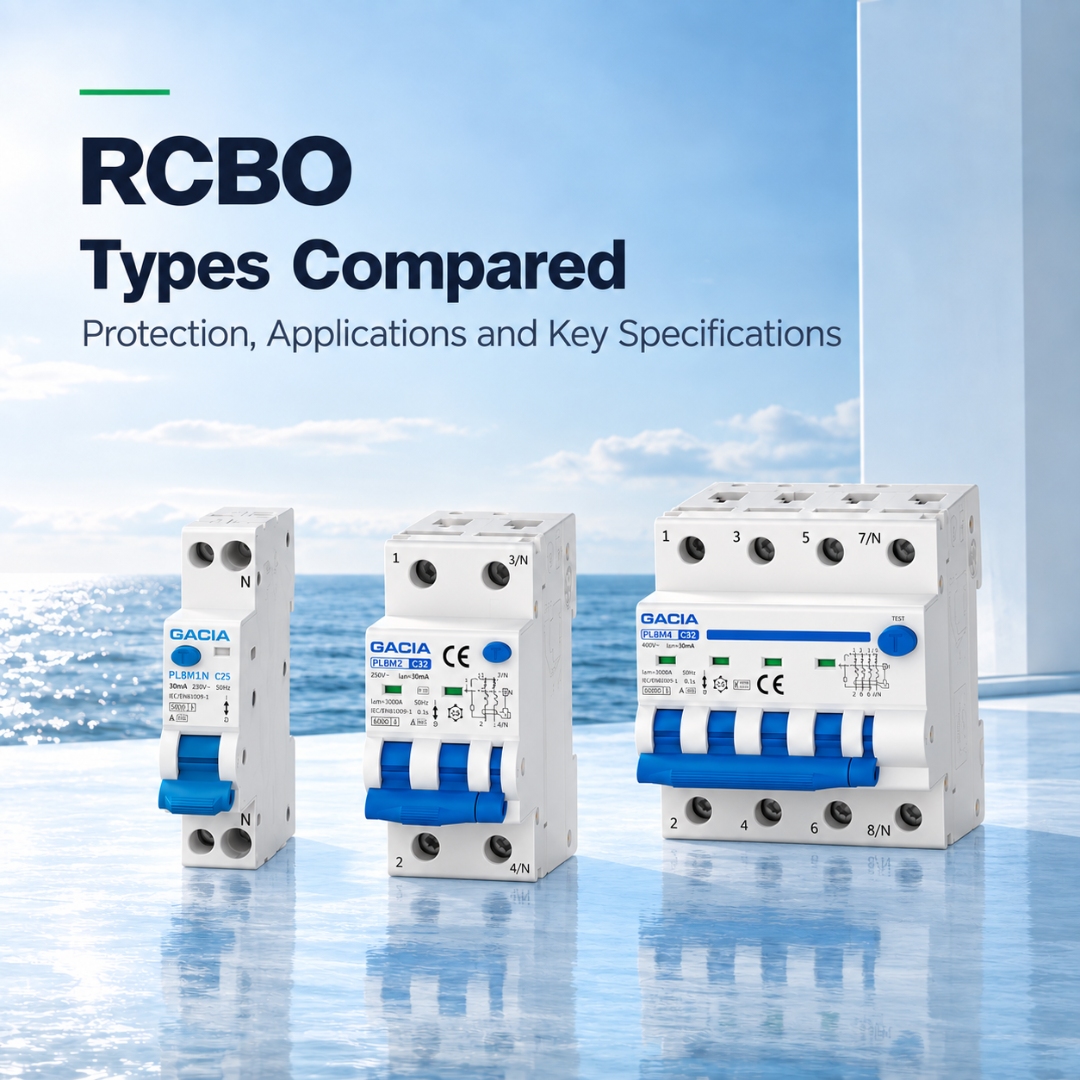
The necessity of the number of poles is also important. Users may require an isolator of either 1P, 2P, 3P, or 4P configuration depending upon the design of the circuit. The arrangement of poles is determined according to the manner in which the conductors need to be separated in any installation.
The method of installation must be taken into account. In distribution boards, compatibility with DIN rails, the amount of space available on the panel, the configuration of the wiring, and the arrangement of the terminals all influence which product is chosen.
Another consideration is the application in question. Each of the types of installations presented in Figure 1 has its own requirements in terms of current ratings, circuit configuration, switching frequency, and installation space.
The selection of an isolator should be made along with the selection of the necessary circuit protection devices. This is because an isolator is, in general, not intended to be an overcurrent protective device, and thus the circuit may require an MCB, MCCB, fuse, or a different protective device.
Isolator vs. Circuit Breaker
Both circuit breakers and isolators can open an electrical circuit but have different functions.
A circuit breaker is intended to detect electrical failures and cut off electricity when appropriate. An isolator mainly serves the purpose of providing intentional disconnection.
For this reason, it is vital not to view both devices as similar. Many low-voltage systems use both devices at the same time in order to provide the technology with both fault protection and a proper mean of isolation.
Conclusion
An isolator does a basic yet crucial job in low-voltage electrical systems by giving a specialized way of disconnecting an electric circuit from its power source.
Knowledge and understanding of isolators help one with the necessary isolator definition, as well as with the idea of certain aspects which must be looked at when choosing an isolator.
GACIA provides isolators along with an extensive array of low-voltage circuit protective products that help consumers create electrical systems for distinct applications with protection, switching, and isolation.