
Leave Your Message

Blog

How to Choose the Best Smart Circuit Breaker?

How to Choose the Best Smart Circuit Breaker?

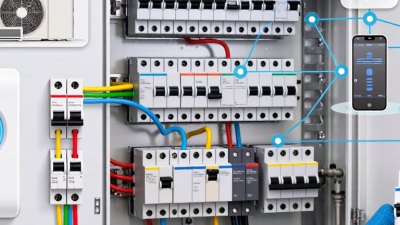
Choosing the best smart circuit breaker? It's not about the fancy app features, honestly. It starts with the circuit you're protecting. You've got to check the system voltage, current rating, number of poles, and interrupting capacity—and compare them to your panel and the connected load. Think about it: a pump, an air conditioner, and a lighting circuit all have different protection needs. So the right choice really depends on those details. And here's the kicker: a small mismatch can lead to a big problem. Smart features are great for getting that extra visibility, but let's be real—they don't actually replace solid electrical protection. It's worth taking a closer look at what the device really tracks: some just report your energy usage, while others will give you a heads-up about trips, overloads, or weird patterns. And hey, if you're eyeing a Smart IoT Circuit Breaker like the one from Gacia, it might even let you switch things on or off remotely and hook it up to your home platform—pretty neat when it works. Hey, before you go ahead and buy that thing, double-check that it's actually compatible. 'Works with smart home' can be super vague—like, it might mean different things depending on the brand. And what about if the internet goes down? Will the monitoring still work? You'll want to know that. Also, take a peek at the manufacturer's instructions—how do they handle your data? Is the app still supported? Just make sure you're good with all that. Honestly, when it comes to picking a reliable breaker, you've got to dig into the nitty-gritty — specs, certifications, warranty terms, and how it's supposed to be installed. Don't just buy into the marketing hype. Like, check if it actually fits your panel and if the rating matches your wire and load. And hey, don't try to be a hero — get a qualified electrician to double-check and do the installation if needed. For my part, I wouldn't trust a clean dashboard as proof that everything's safe. The readings might miss stuff, and the setup could be totally off. Okay, that's definitely worth another look. In the sections coming up, we'll walk through how to compare things like protection, connectivity, compatibility, and long-term support — so your final pick isn't just a smart one on paper, but actually practical in the real world.
Read more »
Sophia By:Sophia - November 9, 2026
Why Choose a Standard Circuit Breaker?

Why Choose a Standard Circuit Breaker?

A circuit breaker might be small, but it’s got a pretty demanding job—whenever a circuit gets overloaded or short-circuits, it has to step in and cut the current. For the usual stuff, people tend to go with a Standard Circuit Breaker, and honestly, that makes sense: its ratings, operation, and panel compatibility are all clearly documented. Get the right one, and it can go a long way in protecting your wiring and connected gear from excessive current. Let's be real—breakers aren't some magic fix. They can't catch every electrical fault, and if you get the rating wrong, that circuit might not be as protected as you think. Picking the right one isn’t just about looking at the amperage printed on the side. You’ve also got to think about voltage, number of poles, interrupting capacity, trip characteristics, and whether it’s even compatible with your panel. So yeah, compare the datasheet with what your circuit actually needs—and don’t skip the manufacturer’s installation and inspection instructions. If you’re replacing an old device or dealing with a panel you’re not familiar with, having a qualified electrician double-check everything is a smart move. Little details can make a big difference. Look, we all want to save a few bucks and grab something that looks right. But picking a breaker just by price or looks? That's a shortcut worth thinking twice about. A cheaper breaker might seem like a deal, but if its specs don't match what you're actually working with, it's not a good choice. And just because it has the same shape as the old one doesn't mean it'll work the same. In this guide, I'll walk you through when a standard design is actually a smart option, what specifics you need to check, and where it just won't cut it. Sometimes you really do need something different—and that's okay to admit. Honestly, the right pick comes down to your circuit, the gear you're using, and solid technical data — not just whatever the label says.
Read more »
Lucas By:Lucas - November 5, 2026
10 MCCB Buying Tips for Global Buyers?

10 MCCB Buying Tips for Global Buyers?

Choosing an MCCB for an international project isn’t just about matching the current rating—there’s a bit more to it. You have to think about how it’ll be installed, what kind of load it’s expected to handle, the fault level, and the environment it’ll be working in. For example, if the breaker’s going inside a tight control panel, heat and poor ventilation can become a real issue. Or if it’s headed to a dusty workshop, you might need a different enclosure and a solid maintenance plan. Honestly, small details matter—probably more than you’d expect. Alright, here's the thing—this guide gives you ten practical checks to run through when you're comparing products and suppliers. You'll cover rated current, voltage, pole configuration, and short-circuit breaking capacity. But it also digs into why trip settings, coordination with upstream protection, and accessory requirements are worth a careful look. And for DC circuits, well, you can't just pick any old breaker—you need a Dc Mccb that's specifically matched to your system's voltage and current direction. Don’t assume you can just swap an AC design for a DC one—they’re not automatically interchangeable. Always dig into the manufacturer’s technical specs instead of trusting the product label at face value. One more thing—when you're sourcing, don't just skim the specs. You really want to dig into the standards, test reports, traceability, warranty terms, and what after-sales support looks like in the market you're shipping to. And double-check that all the paperwork actually lines up with the exact model you're being quoted. You'd be surprised: even seasoned buyers miss a tiny mismatch between a datasheet and the PO spec. It happens to the best of us. So before you approve samples or drop a bulk order, ask straight questions—and save the answers somewhere. You'll thank yourself later. Look, these steps won’t magically eliminate every project risk—but they do make comparisons a lot more consistent, and they help buyers spot potential gaps before anything gets installed.
Read more »
James By:James - November 2, 2026
7 Tips to Choose the Best MCB Circuit Breaker Types

7 Tips to Choose the Best MCB Circuit Breaker Types

Honestly, picking the right MCB circuit breaker types isn't just about flipping through a catalog – it's a real safety call. The needs of a tiny workshop panel aren't the same as a hotel room, a solar inverter, or a factory motor circuit. Get the trip curve wrong and you'll be dealing with annoying nuisance trips. Skimp on breaking capacity and you might leave your gear exposed when a fault hits. Honestly, from what I've seen out in the field, labels only get you so far—they never really tell the full story, you know? So the IEA's latest Electricity 2024 report is projecting global electricity demand to climb around 3.4% each year between 2024 and 2026. That might not sound huge, but with more connected loads, you’ve got to be a lot more careful when choosing protection. That’s where IEC 60898-1 comes in—it covers circuit breakers for homes and similar setups, up to 440 V AC and 125 A. These numbers are a handy reference, sure, but they’re not a substitute for local codes or doing your own verified calculations. And whatever you do, always check the actual installation environment before deciding. Let’s be honest—comparing MCB circuit breaker types can feel a bit overwhelming at first. But this guide breaks it down into seven practical tips that actually help. We’ll go through B, C, and D tripping curves, rated current, pole configuration, short-circuit capacity, and whether the breaker works with AC or DC. That’s not everything though. You also have to factor in temperature, cable size, load characteristics, and how it coordinates with upstream devices. A clear label is definitely useful, but on its own? Yeah, it’s not enough. Look, product datasheets from big names like Schneider Electric, ABB, and Siemens — those are great references, but you can't just take them at face value. You've got to check them against what's actually going on in your circuit. No guide is perfect, and there's always something that can throw you off. In fact, when you get out there and measure things on-site, you might run into surprises: maybe the inrush current is way higher than you expected, the enclosure is packed tighter than a sardine can, or it's getting hotter than you thought. So yeah, careful verification is still a must.
Read more »
Sophia By:Sophia - October 28, 2026
What Are the Top 10 Miniature Circuit Breaker Types?

What Are the Top 10 Miniature Circuit Breaker Types?

So, when you're picking from the Top 10 Miniature Circuit Breaker Types, it's not just about matching current ratings. Honestly, each design acts a bit differently when overloads, short circuits, installation conditions, and sensitive equipment come into play. For example, a B-curve breaker can be a good fit for lighting circuits, while a C-curve model is usually better at handling moderate motor starting currents. D-curve devices need a little extra care, since they tolerate higher inrush currents. Electrical safety educator Mike Holt has a handy way of putting it: 'A circuit breaker protects conductors; it doesn’t fix a faulty design.' That warning really should guide every comparison you make. The breaker has to match the cable size, the expected load, the fault level, and the distribution board. And where it applies, it should also line up with recognized requirements, like IEC 60898-1. Honestly, it's the real-world installs that show you what actually matters. Take something like a narrow DIN-rail breaker—if your panel's already packed, that extra bit of room can make a big difference. And yeah, a trip indicator you can actually see? That can save you a ton of time when you're trying to figure out what tripped. Terminals matter, too, especially once you've tightened them over and over again. It's those little things that start to add up. And just because something's popular doesn't mean it's the right pick. Ever tried picking a Miniature Circuit Breaker and felt like you needed a decoder ring? This guide walks through ten MCB types—thermal-magnetic, electronic, single-pole, double-pole, and curve-specific designs. We'll look at how they work, where they shine, what they can't do, and the applications they're actually suited for. And yes, there's an awkward truth here: the label can look perfectly clear, and you still might not be sure which one to choose. Ratings also shift from one manufacturer to another—Schneider Electric, Siemens, ABB, Eaton, you name it. Before you go ahead and install anything, always double-check the technical data sheet. Honestly, taking that extra moment to make the right call helps keep people safe, protects your cables and equipment, and keeps the whole electrical system’s credibility intact.
Read more »
James By:James - October 25, 2026
How to Choose the Right MCCB Breaker?

How to Choose the Right MCCB Breaker?

Choosing the right Mccb Breaker is a practical decision, not a product-size comparison. A Molded Case Circuit Breaker Mccb must match the system’s voltage, current, fault level, and operating environment. A warehouse panel may need different protection than a motor control cabinet or a commercial building. Tom Short, an electrical protection engineer and Schneider Electric Distinguished Engineer, has emphasized, “Protection is not just about interrupting current; it is about coordinating the system.” This principle guides every reliable selection. The breaker must open quickly during a fault, yet remain stable during normal starting currents. That balance matters. Start with the load. Check the continuous current first. Then review the available short-circuit current, poles, trip unit, and installation temperature. A 250-ampere frame does not always provide 250 amperes of usable protection. Ambient heat, enclosure size, and conductor rating can change the result. Breaking capacity deserves special attention. If the breaker’s interrupting rating is too low, the installation may face severe equipment damage during a fault. Selectivity also matters. A downstream breaker should ideally trip before the upstream device, reducing unnecessary shutdowns. Manufacturers such as Schneider Electric, Eaton, and ABB publish detailed technical data. Use those documents, not assumptions. Installation conditions can expose weaknesses that catalog figures hide. A perfect choice on paper may still fail in service. Motor inrush, frequent switching, dust, and poor maintenance can alter performance. Qualified engineers should verify the design against applicable electrical standards and local requirements before installation.
Read more »
Sophia By:Sophia - October 20, 2026
Why Choose a Molded Case Circuit Breaker for Global Projects?

Why Choose a Molded Case Circuit Breaker for Global Projects?

So, why pick a molded case circuit breaker for global projects? Global electrical projects are never cookie-cutter. Voltages shift, climates vary, installation practices differ, and maintenance standards aren't the same from one region to the next. A molded case circuit breaker gives you controlled protection in a compact, tough enclosure. It helps guard cables, motors, and distribution equipment against overloads and short circuits. That simple job matters on just about every site. Engineers typically look at interrupting capacity, rated current, insulation voltage, trip characteristics, and operating temperature. They'll also review test reports, certification paperwork, and manufacturer support before signing off on a device. A well-chosen molded case circuit breaker can make panel design easier across different regions. Adjustable protection settings can also handle varying load conditions. But let's be clear: one model won't solve every application. And that caveat? It really matters. A coastal plant might need extra corrosion protection. A remote mining site may depend on reliable spares and straightforward service procedures. A high-rise project might care most about selective coordination and compact installation. These details often shape the final choice more than any marketing pitch. The phrase Molded Case Circuit Breaker Mccb shows up a lot in international purchasing searches, but terminology alone can't prove a product is right for the job. Experienced teams check the real installation conditions. They look at conductor sizes, fault levels, enclosure ratings, ambient temperatures, and local approval requirements. They also push back on unclear data. A lower purchase price can mean higher maintenance costs down the road. Some specs still deserve an independent review. With transparent documentation and consistent quality control, a molded case circuit breaker can deliver dependable protection for global projects. Its value comes from verified performance—not from some universal promise.
Read more »
Lucas By:Lucas - October 13, 2026
How to Choose a Residual Circuit Current Breaker?

How to Choose a Residual Circuit Current Breaker?

Picking a Residual Circuit Current Breaker isn’t just a box-ticking exercise. It’s a safety call, and a lot rides on things like load type, fault current, where it’s installed, and how well it’s maintained. A device can look like a perfect fit in the enclosure and still not protect the circuit the way it should. That’s a pretty uncomfortable thought, right? It deserves some real attention. John Drengenberg, a former Consumer Safety Director at UL Solutions, has said it more than once: “Safety devices work best when they are correctly selected, installed, and tested.” That’s not just a nice quote—it comes from field experience. A workshop running variable-speed drives might need Type A or Type B protection, not just a basic Type AC model. A damp utility room? You’ll want to look closely at sensitivity, enclosure protection, and circuit loading. Small stuff can make a big difference. This guide looks at the decisions behind reliable selection. We’ll go through rated current, residual operating current, poles, short-circuit capacity, trip characteristics, and how it all works with modern electronic equipment. We’ll also cover why manufacturer data is worth checking before you install anything. A 30 mA device is common for personal protection, sure—but common doesn’t always mean correct. Nuisance tripping can knock out refrigeration, alarms, or production equipment. Ignore that, and you’ve maybe created another risk. Real installations are rarely perfect. Labels can be vague. Older wiring can hide weaknesses. And sometimes the breaker gets picked a little too fast. That’s where a proper professional inspection earns its keep. Engineers, electricians, and facility managers should look at the device together with the whole circuit, not just one isolated spec. Careful testing, documented maintenance, and qualified installation—that’s what turns a Residual Circuit Current Breaker from just a purchased component into dependable protection.
Read more »
Lucas By:Lucas - October 10, 2026
What Is a Home Circuit Breaker and How Does It Work?

What Is a Home Circuit Breaker and How Does It Work?

Okay, so a home circuit breaker is one of those small parts that doesn’t get much attention—but it’s a big deal. It sits inside your electrical panel and keeps an eye on the current going out to lights, outlets, appliances, and those dedicated circuits. If the current gets dangerously high, the breaker trips and cuts the circuit. That’s what helps lower the chances of overheating, fried equipment, and even fires. How does it actually work? It uses thermal and magnetic protection. The thermal side handles slow, long overloads—like when you’ve got too many appliances piggybacking on one circuit. The magnetic part kicks in almost instantly when there’s a short circuit. You might hear a sharp click when it trips. After that, the switch sits in the middle, basically telling you, “Hey, this circuit needs a look.” If it keeps tripping, get a trained electrician to check it. Just flipping the breaker back on without figuring out why it tripped? That’s not a real fix. Sometimes it’s just a worn breaker. Other times, it could be damaged wiring, moisture, or an overloaded outlet. Every home uses electricity differently, so guessing isn’t worth the risk. A Home Waterproof Distribution Box can add protection in damp spots—garages, workshops, outdoor service areas, that kind of thing. But the enclosure rating doesn’t replace proper grounding, the right breakers, or professional installation. Local electrical codes should guide what you buy and how it’s installed. Manufacturer instructions matter, too. This guide walks through breaker parts, how they work, warning signs, and safe maintenance choices. It also points out one important limit: no breaker can fix every wiring problem. You still need careful testing. And just because your panel is quiet doesn’t mean everything’s healthy.
Read more »
Lucas By:Lucas - October 7, 2026
2026 Top Miniature Circuit Breaker Types for Global Buyers?

2026 Top Miniature Circuit Breaker Types for Global Buyers?

Hey there! So, by 2026, buyers from all over the globe are going to find themselves in a pretty competitive and pretty picky market for Miniature Circuit Breakers (MCBs). Even though many of these tiny devices look alike on the outside, their actual protection performance can vary a lot — sometimes quite unexpectedly. Just because a breaker is rated at 6 kA doesn’t mean it’s automatically the right fit for every distribution board out there. Things like voltage, fault current, ambient temperature, how you install it, and whether it’s certified all come into play. I remember David Chapman, an electrical safety pro linked with BEAMA, once said, 'You’ve got to pick the right protective device to match the installation — not just go by what the catalog says.' That advice still holds true today. When shopping around, it's smart to compare things like IEC 60898-1 compliance, rated current, tripping characteristics, pole setup, and tested breaking capacity. For more industrial setups, IEC 60947-2 might be the better reference point. Little details really matter — for instance, squeezing too many breakers onto a crowded DIN rail can heat things up, and a loose terminal might generate heat before a fault even happens. This guide is here to help you understand which types of MCBs are most relevant for the 2026 market, especially if you’re part of an international purchasing team. We’ll look at AC models suitable for homes, offices, and light industry, plus the DC breakers designed for solar panels, battery storage, and control systems. Big brands like Schneider Electric, ABB, Siemens, Eaton, and CHINT have got a lot to offer, but don’t just rely on brand name alone — double-check their specs and certifications. Honestly, that might seem obvious, but it’s still easily overlooked. Also, be sure to dive into datasheets, test reports, terminal capacities, mechanical durability, and after-sales support. Regional standards can really influence what you should buy; a breaker that works perfectly in Europe might need different approvals if you’re installing it in North America. Sure, specifications guide your decision, but real-world experience often reveals the weak spots in your assumptions. The goal with this overview is to shed light on those assumptions — even if the perfect answer isn’t always straightforward.
Read more »
Lucas By:Lucas - October 3, 2026
7 Tips for Choosing an Industrial Circuit Breaker?

7 Tips for Choosing an Industrial Circuit Breaker?

Picking out an industrial circuit breaker isn’t just about flipping through a catalog—it’s really about understanding how your equipment will behave under different situations. Whether it’s starting up a big motor, dealing with a fault, or running a long shift and the panel gets hot, the right breaker makes all the difference. You need to match it to your system’s voltage, current, interrupting capacity, and how it’s actually used. If you get it wrong, you might find yourself dealing with nuisance trips or worse, risking equipment that’s just not protected enough. Here’s a little tip I picked up from Daniel Reed—who’s pretty experienced when it comes to industrial power systems. He says, “A breaker should be selected based on the fault it needs to safely interrupt, not just the load it handles day-to-day.” Now, that’s a handy way to think about it, but keep in mind, that’s more of a general idea than some official quote. When you’re actually buying, always double-check the ratings against the manufacturer’s specs, and it’s a good idea to have someone qualified take a look at your setup. Up ahead, I’ve listed seven practical tips—covering things like load calculations, short-circuit ratings, trip characteristics, environmental conditions, coordination, installation details, and support from suppliers. Pay close attention to these details because things like a dusty motor control cabinet, the repeated inrush currents, or even limited space in your panel could change what breaker actually works best. Just because two breakers say they’re rated for the same amperage doesn’t mean you can swap them out freely—there’s more to it than that. Still, nothing beats doing a proper site-specific review; real-world setups often have surprises, and catching those early helps you pick the right equipment and avoid assumptions. In the end, thorough checking and understanding what’s really going on in your system will save you headaches later on. Make sure to verify all critical ratings and don’t be afraid to ask questions—better safe than sorry!
Read more »
Sophia By:Sophia - September 29, 2026
Top 10 Miniature MCB Suppliers for Global Buyers?

Top 10 Miniature MCB Suppliers for Global Buyers?

Choosing a Miniature MCB supplier isn't just about comparing prices per unit. You really need to find products that fit your distribution board, match your circuit needs, and come with clear, detailed technical docs. Sure, a breaker might look perfect in a catalog, but if its rated current, pole configuration, or breaking capacity aren’t just right for your setup, it’s not going to work. Small details like these actually matter a lot. This guide introduces ten suppliers from around the globe and shares some practical tips to help you compare their product ranges better. Look for comprehensive datasheets, consistent model references, quick and helpful technical support, and transparent info on production and delivery processes. Make sure the test reports and certifications are specific to the exact product and the country where you’re installing it—don't assume one certificate covers everything. When comparing, don’t forget to check if it fits DIN rails, how the terminals are designed, what accessories are available, and whether the ordering info is clear. Sometimes these little things get overlooked but they’re pretty important. Of course, no supplier list is perfect. Keep in mind that info can change, and a shiny website doesn’t always mean reliable quality. Think of each supplier as a starting point—then ask for current documentation and double-check the specs before you buy. Also, don’t forget to ask about samples and lead times. Even a tiny sample order can highlight issues like strange labels or awkward terminal access. You might see the term ‘MCB’ in product searches, but just seeing that name doesn’t say much about quality—it's worth digging deeper. Doing your due diligence helps make the whole selection process more realistic and less driven just by marketing hype.
Read more »
Sophia By:Sophia - September 25, 2026
China Top 10 Overload Circuit Breaker Manufacturers?

China Top 10 Overload Circuit Breaker Manufacturers?

When it comes to China’s Overload Circuit Breaker manufacturing scene, it’s a pretty interesting mix of large-scale production and specialized engineering. In this overview, I’ll give you a sneak peek at ten Chinese manufacturers worth knowing about—names like CHINT, Delixi Electric, TENGEN, People Electrical Appliance Group, and Shanghai Liangxin Electrical come to mind. These companies stand out for various reasons, and we’ll cover that too. We looked at things like certifications, thermal-magnetic protection, short-circuit ratings, how consistent their production lines are, and how good they are after the sale. On a more practical note, we also factored in terminal strength, heat resistance of enclosures, and how well their trip mechanisms perform, especially in crowded distribution boxes—because let’s be honest, those little details matter big time during installation. Honestly, electrical safety isn’t something you can mess around with—it’s a must. And that’s exactly what safety expert John Cadick summed up perfectly: every reliable Overload Circuit Breaker should act before excessive current causes damage to wires, insulation, or the devices connected. Plus, it should reset smoothly once the problem’s gone—that’s just good engineering. We’ll also be looking at brands like CNC Electric, Suntree, Meba Electric, Hongfa, and Geya Electrical. Their product ranges are pretty diverse—some mainly make residential miniature circuit breakers, while others focus on industrial panels, solar power systems, or even export markets. Now, here’s the thing—certification alone doesn’t tell you everything. The real performance depends on strict testing, quality control during manufacturing, and what feedback from the field tells us. Sure, some supplier claims sound impressive, but you gotta take everything with a grain of salt until it’s independently verified. And the tricky part? Public technical data isn’t equally available from every maker, and quality can vary from one product series to another. So, think of this ranking more like a starting point for your research rather than the final word on what to buy. We’ve tried to compare each manufacturer based on actual features, how suitable their products are for different applications, and whether there’s solid proof of consistent quality in their Overload Circuit Breakers.
Read more »
Lucas By:Lucas - September 22, 2026
What Is an MCB Miniature Circuit Breaker?

What Is an MCB Miniature Circuit Breaker?

Think of an MCB (Miniature Circuit Breaker) as a tiny, yet mighty protector for low-voltage electrical setups. Basically, it kicks in to cut the power when things get too hot due to overloads or if there’s a short circuit. And the cool part? Unlike those old-school fuses, you can usually reset it after fixing the problem—that small lever makes all the difference. You’ll find these in homes, offices, workshops, even behind control panels—they matter more than you might think. Now, with energy demands exploding (thanks to the growing number of gadgets and appliances), having reliable protection is more crucial than ever. According to the International Energy Agency’s Electricity 2024 report, global electricity use is expected to grow around 3.2% each year from 2024 to 2026. That means more loads, more chances for overloads or wiring issues. Picking the right MCB can help minimize conductor damage and lower the fire risk. But hey, don’t think of it as a magic safety fix. It doesn’t replace good grounding, insulation, residual-current devices, or the importance of expert installation. Standards play a key role here. IEC 60898-1 is all about circuit breakers in homes and similar setups, while IEC 60947-2 deals more with those used in industrial environments. These standards set the technical benchmarks—things like rated current, breaking capacity, how they handle temperature, and their trip characteristics. For example, a Type B breaker usually reacts faster to small surges or lower inrush currents, making it ideal for general circuits. On the other hand, Type C is better suited for circuits with motors or transformers that have moderate starting currents. Remember, size isn’t everything. A quick on-site check might reveal loose terminals, wrong cable sizes, or just breaker installations done for convenience rather than safety. That’s why assumptions can be misleading. For a proper selection, you need to consider the actual load profile, the potential fault current, enclosure conditions, and the local electrical rules. This guide will walk you through how an MCB works, where it fits, and what careful, thoughtful selection really means.
Read more »
Sophia By:Sophia - September 18, 2026
Top 10 RCD Manufacturers for Global Buyers

Top 10 RCD Manufacturers for Global Buyers

Picking the right RCD manufacturer isn’t just about brand names—it can really impact electrical safety, how much you spend on maintenance, and whether your project runs smoothly. When folks look at options, they often compare brands like Schneider Electric, ABB, Siemens, Eaton, Legrand, Hager, Mitsubishi Electric, Chint, LS Electric, and Gewiss. But here’s the thing: their product specs can vary quite a bit—rated current, number of poles, trip sensitivity, enclosure compatibility, and regional availability. Little details like these can actually make a big difference. Electrical safety expert Jim Dollard always reminds us that protection only works if installation, testing, and ongoing maintenance are all in sync. That’s a good rule of thumb to keep in mind when choosing an RCD. A reliable device should respond consistently during faults, stay stable during normal leakage currents, and give a clear indication of its status. When inspecting, buyers should pay attention to the quality of test buttons, the strength of terminal connections, datasheet accuracy, and how easy it is to replace parts. For example, a 30mA RCD might be perfect for protecting personnel in many cases, but ultimately, the right choice depends on your specific circuit design and the equipment you’re using. Performance isn’t the only thing that matters, though. Things like how reliable the power supply is, the quality of tech support, warranty service, certification proof, and how well the distributor covers your area can heavily influence your project long after you’ve installed everything. That’s why this guide looks at ten different manufacturers based on practical factors—not just brand fame. We consider various applications—residential panels, commercial distribution boards, industrial control cabinets, even export projects. There’s no one-size-fits-all ranking because every site has its unique needs. Keep in mind, a smaller device might save space inside your panel but could offer fewer adjustment options. On the other hand, a high-end RCD might come with more documentation but also cost more to buy. It's a good idea to question those flashy claims, compare test results carefully, and double-check compatibility before placing your order. Sure, mistakes happen, even with careful planning. But making a smart choice from the start can help minimize the headaches if things go wrong.
Read more »
Sophia By:Sophia - September 12, 2026